
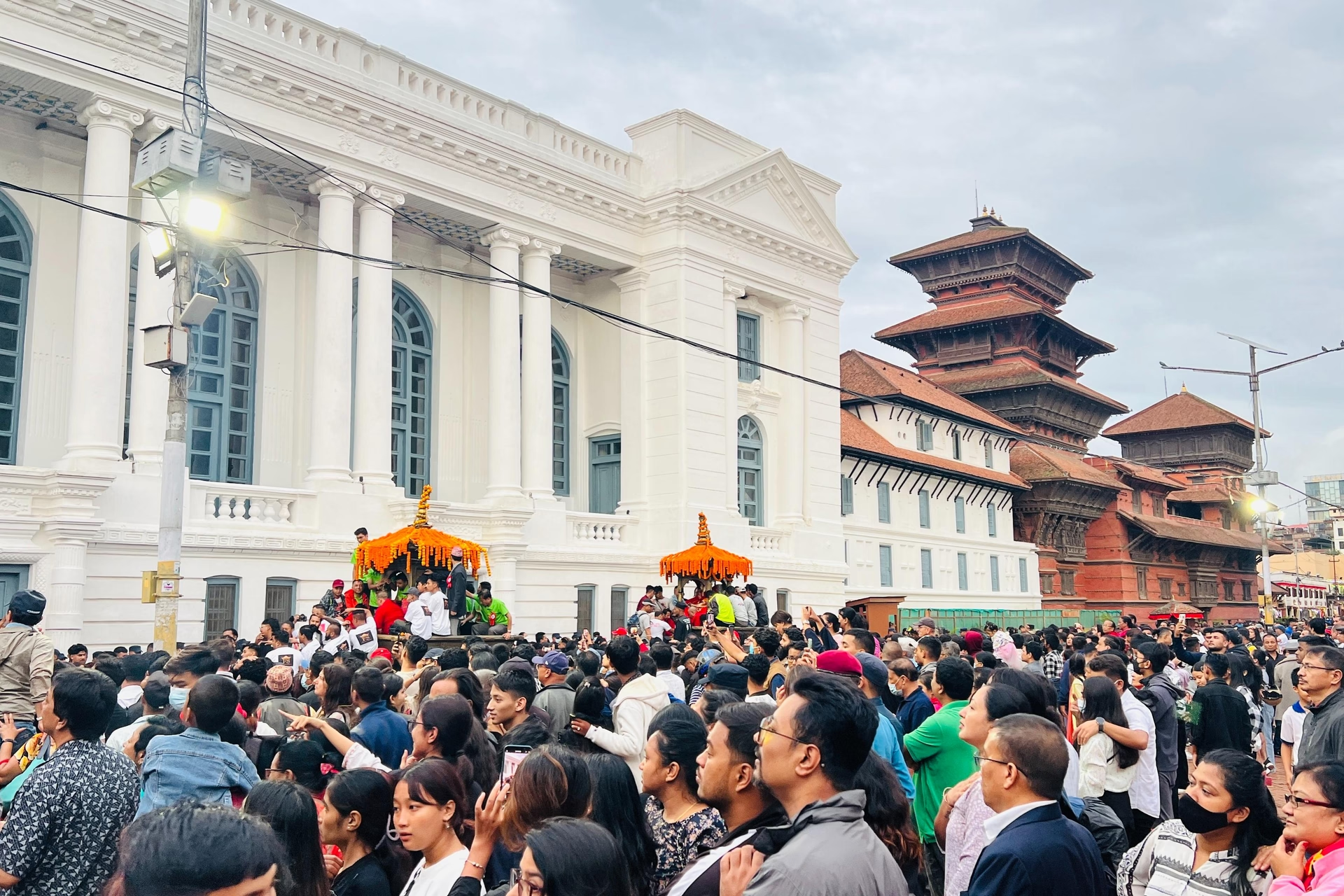
Kathmandu Durbar Square
- Country
- Nepal
- Altitude
- 1340 m
- Tours
- 04
About Kathmandu Durbar Square
In the heart of Nepal's capital lies one of the most historically significant sites in the country — Kathmandu Durbar Square, also known as Basantapur Durbar Square. A sprawling complex of palaces, temples, courtyards, and statues, this UNESCO World Heritage Site has served as the seat of royal power for centuries and remains a living center of religion, culture, and daily life in the city.
Location and Overview
Kathmandu Durbar Square sits in the old city center, within walking distance of the popular tourist hub of Thamel. It is one of three Durbar Squares in the Kathmandu Valley — the other two being Patan Durbar Square and Bhaktapur Durbar Square — each once serving as the royal palace complex of an independent Newar kingdom before Nepal's unification in the 18th century.
The square is not a single open plaza but a dense network of interconnected courtyards, temples, and palace buildings, all built primarily using traditional Newari architecture: tiered pagoda roofs, intricately carved wooden struts, and richly decorated windows and doorways.
A Brief History
The origins of Kathmandu Durbar Square trace back over a thousand years, though most of the structures visible today date from the Malla dynasty (12th–18th century), particularly the reign of King Pratap Malla in the 17th century, who expanded and beautified the palace complex significantly.
The square functioned as the royal residence and coronation site of Nepal's kings for centuries. Even after King Prithvi Narayan Shah unified Nepal in 1768 and moved the political capital, Kathmandu Durbar Square retained its ceremonial and religious importance. Nepali monarchs were crowned here well into the 20th century, and the square continued to be used for major state functions.
UNESCO World Heritage Status
Kathmandu Durbar Square was inscribed as a UNESCO World Heritage Site in 1979, as part of the larger "Kathmandu Valley" listing that includes six other monument zones. It is recognized for its outstanding collection of pagoda and shikhara-style temples, courtyards, and palace architecture representing centuries of Newari craftsmanship and Hindu-Buddhist syncretism.
Major Attractions Within the Square
Hanuman Dhoka Palace
The old royal palace complex, named after a statue of the Hindu deity Hanuman at its entrance, was the primary residence of Nepal's royal family for generations. It houses several museums today, including exhibits on Nepal's monarchy and historical artifacts.
Kumari Ghar
This ornately carved building is home to the Kumari, Nepal's Living Goddess — a young girl worshipped as the earthly incarnation of the goddess Taleju. Visitors often gather in the courtyard hoping to catch a glimpse of her at the window, though photography of the Kumari herself is not permitted.
Taleju Temple
Built by King Mahendra Malla in the 16th century, this towering temple is dedicated to Taleju Bhawani, the tutelary deity of the Malla kings. It remains one of the tallest structures in the square, though it's only open to the public once a year during the Dashain festival.
Kasthamandap
Believed to be one of the oldest surviving structures in the valley, this pavilion is said to have given Kathmandu its name (from "Kastha" meaning wood and "Mandap" meaning pavilion), as it was reportedly built from the timber of a single tree. The original structure collapsed in the 2015 earthquake and has since been rebuilt.
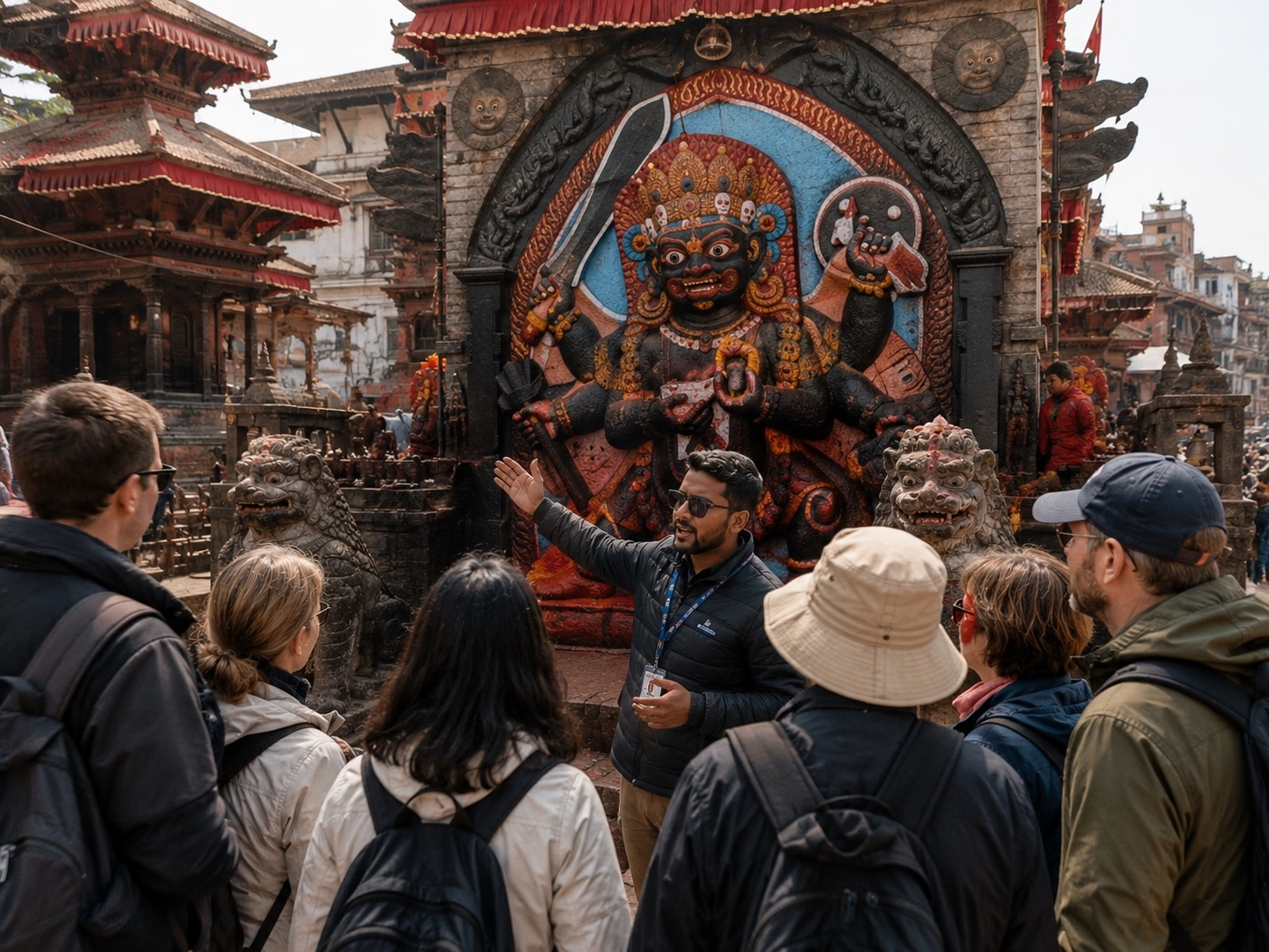
Kal Bhairab
A large stone relief depicting Bhairab, the fierce manifestation of Lord Shiva, stands in the open square. It's one of the most photographed and revered shrines in the complex, historically believed to punish those who lie before it.
Jagannath Temple
Known for its finely detailed erotic wood carvings on the roof struts, this temple is one of the square's architectural highlights and a well-known example of traditional Newari temple artistry.
Shiva-Parvati Temple
This temple features a striking image of Shiva and Parvati looking out from an upper window, a popular photo spot for visitors.
Nasal Chowk
A central courtyard within Hanuman Dhoka, historically used for royal coronations, including that of the last reigning monarch of Nepal.
Gaddi Baithak
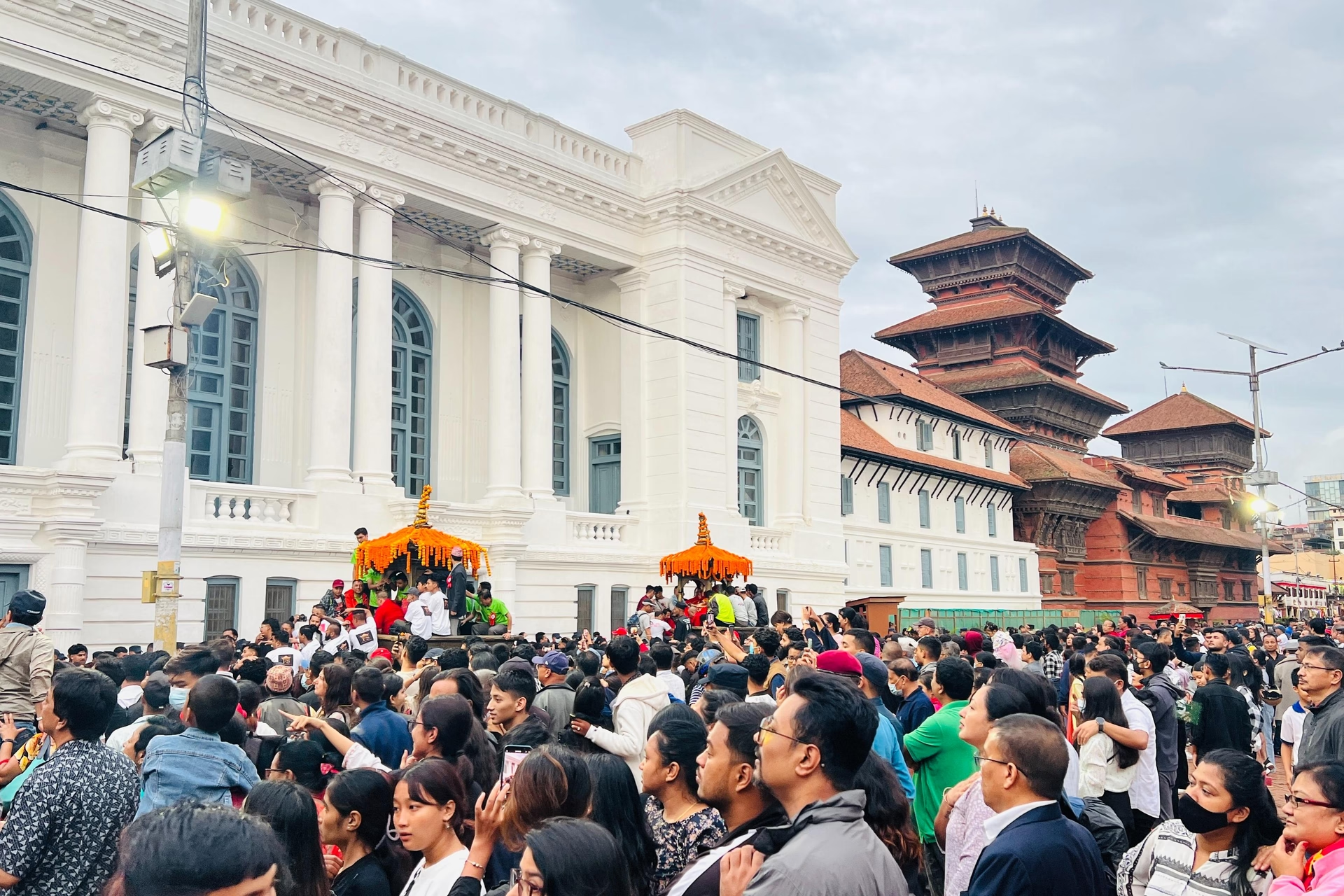
A neoclassical, white-painted building constructed in the early 20th century, notably different in architectural style from the surrounding pagoda structures. It was used for state ceremonies and receptions.
Basantapur Tower (Basantapur Durbar)
A nine-story tower that gives the square its alternate name, "Basantapur Durbar." It offered panoramic views over the city and was traditionally used by royalty to observe the surrounding area.
Impact of the 2015 Earthquake
The devastating April 2015 earthquake caused significant damage to Kathmandu Durbar Square, collapsing several structures including parts of Kasthamandap and other temples. In the years since, extensive reconstruction efforts — involving both government agencies and international heritage organizations — have restored much of the square using traditional building techniques and materials wherever possible. While reconstruction is largely complete, visitors may still notice some ongoing restoration work in parts of the complex.
Cultural and Religious Significance
Kathmandu Durbar Square is not a static museum — it remains an active place of worship and public life. Locals pass through daily to offer prayers, vendors sell flowers and religious items near temple entrances, and the square comes alive during major festivals such as:
Indra Jatra – An eight-day festival honoring the god Indra, featuring masked dances and the public appearance of the Kumari, who is paraded through the streets on a chariot.
Dashain – Nepal's biggest festival, during which the Taleju Temple opens its doors to the public for a single day.
Kumari Jatra – A chariot procession celebrating the Living Goddess, drawing large crowds to the square.
Practical Visitor Information
Entry Fee and Tickets
As of 2026, the entrance fee for international tourists is approximately NPR 1,000, while SAARC nationals typically pay a reduced rate. Nepali citizens can enter free of charge. Fees are collected at official ticket booths near the main entrances — travelers should be cautious of unofficial "guides" or ticket sellers approaching before reaching the booth.
Opening Hours: The square is generally open daily from early morning until evening, though individual museums within Hanuman Dhoka may have shorter hours.
Best Time to Visit: Early morning or late afternoon offers a quieter experience and better light for photography, avoiding both the midday heat and the peak tourist crowds.
Getting There: The square is roughly a 20-minute walk from Thamel, or a short and inexpensive taxi ride from most parts of the city. Local buses from Ratna Park also stop nearby.
Tips for Visitors:
Dress modestly, as the square includes active religious sites.
Photography is generally permitted, but always ask before photographing people, especially near the Kumari's residence.
Hiring a licensed guide at the entrance can add valuable historical context, though it isn't necessary to enjoy the square.
Wear comfortable shoes — the courtyards involve uneven stone paving and some walking between sites.
Final Thoughts
Kathmandu Durbar Square is more than a collection of old buildings — it's a living record of Nepal's royal history, religious traditions, and architectural achievement, all packed into a compact, walkable complex in the middle of a bustling modern city. For travelers looking to understand the cultural heart of Kathmandu, few places offer as much depth and immediacy as Basantapur Durbar.
Trips featuring Kathmandu Durbar Square
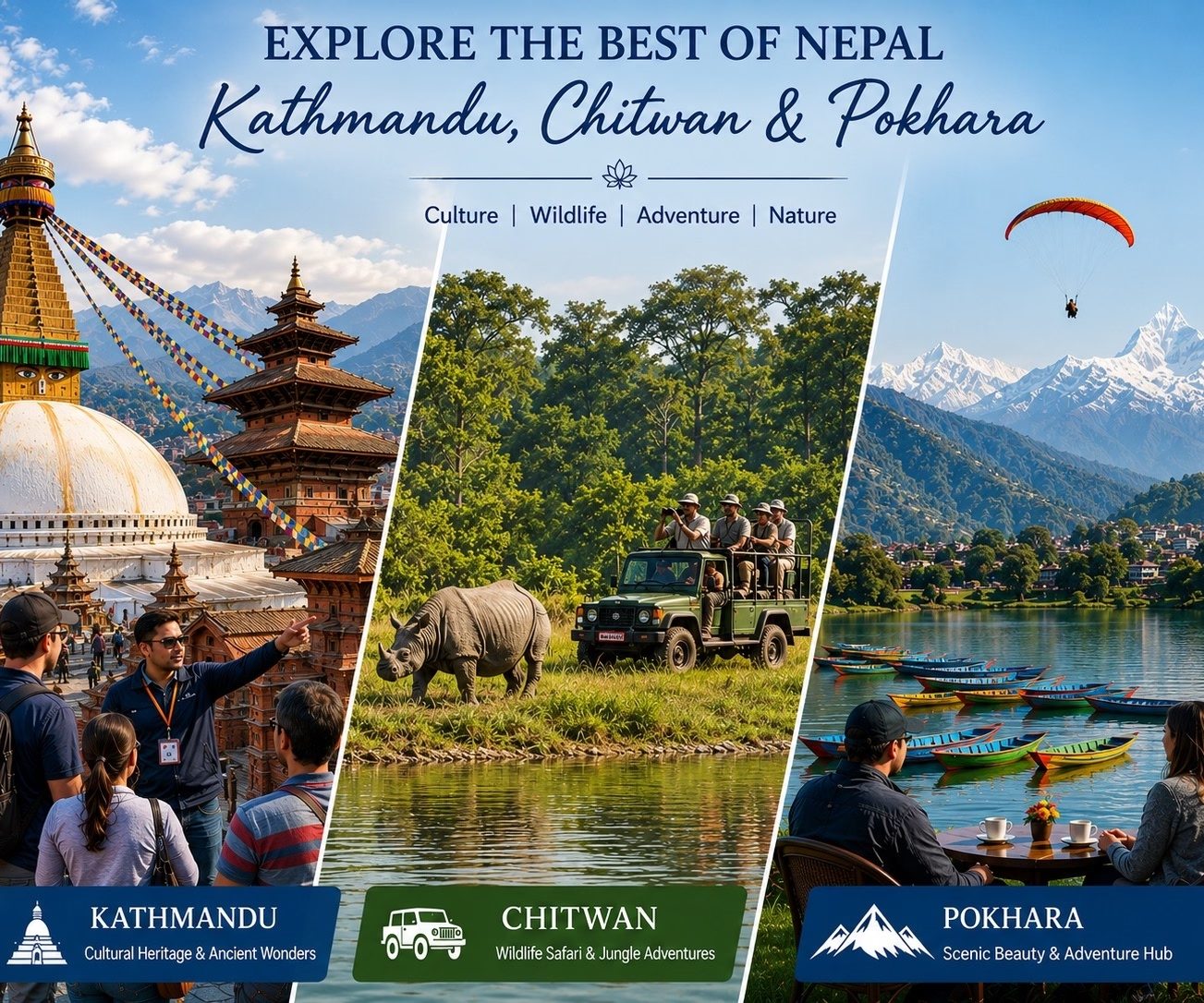 Nepal5.0(29)
Golden Triangle Nepal Tour- Your Luxury Tour in Nepal
- Duration:
- 8 days
Starting at$899Explore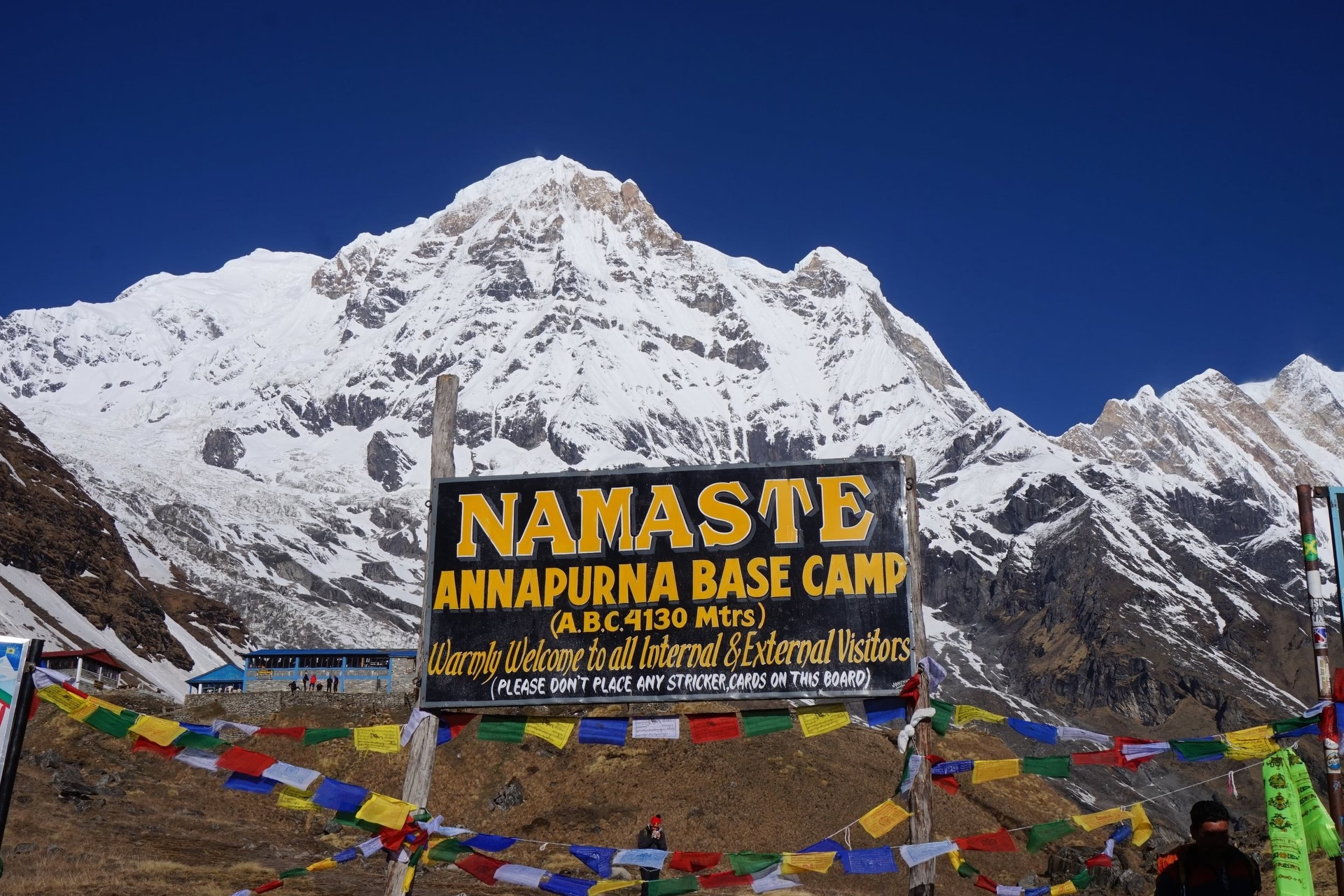 Nepal5.0(39)
Annapurna Base Camp Trek- 9 Days Adventure in Himalayas
- Duration:
- 9 days
Starting at$990Explore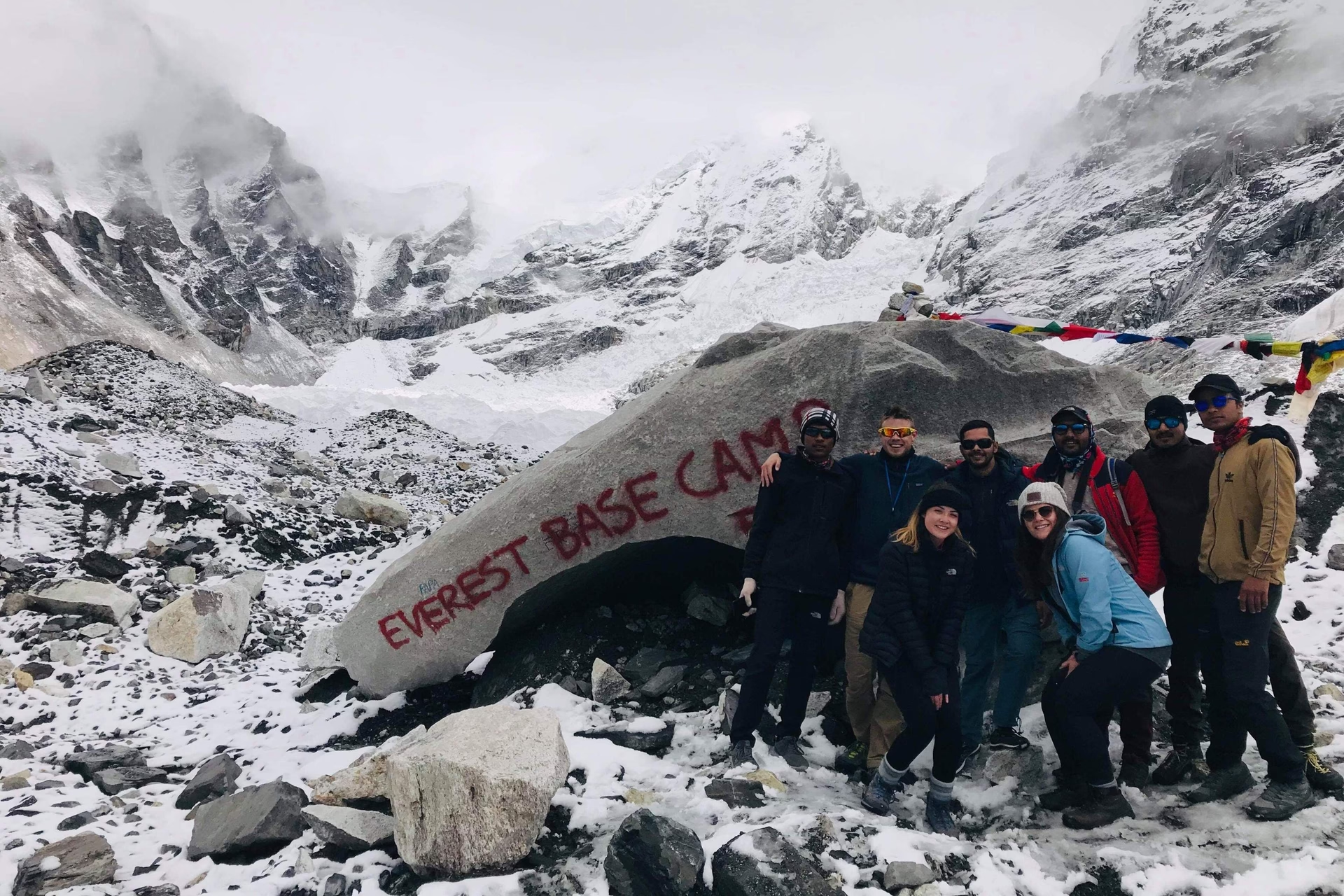 Nepal5.0(4)
Everest Base Camp Trek- 15 Days
- Duration:
- 15 days
Starting at$1,100Explore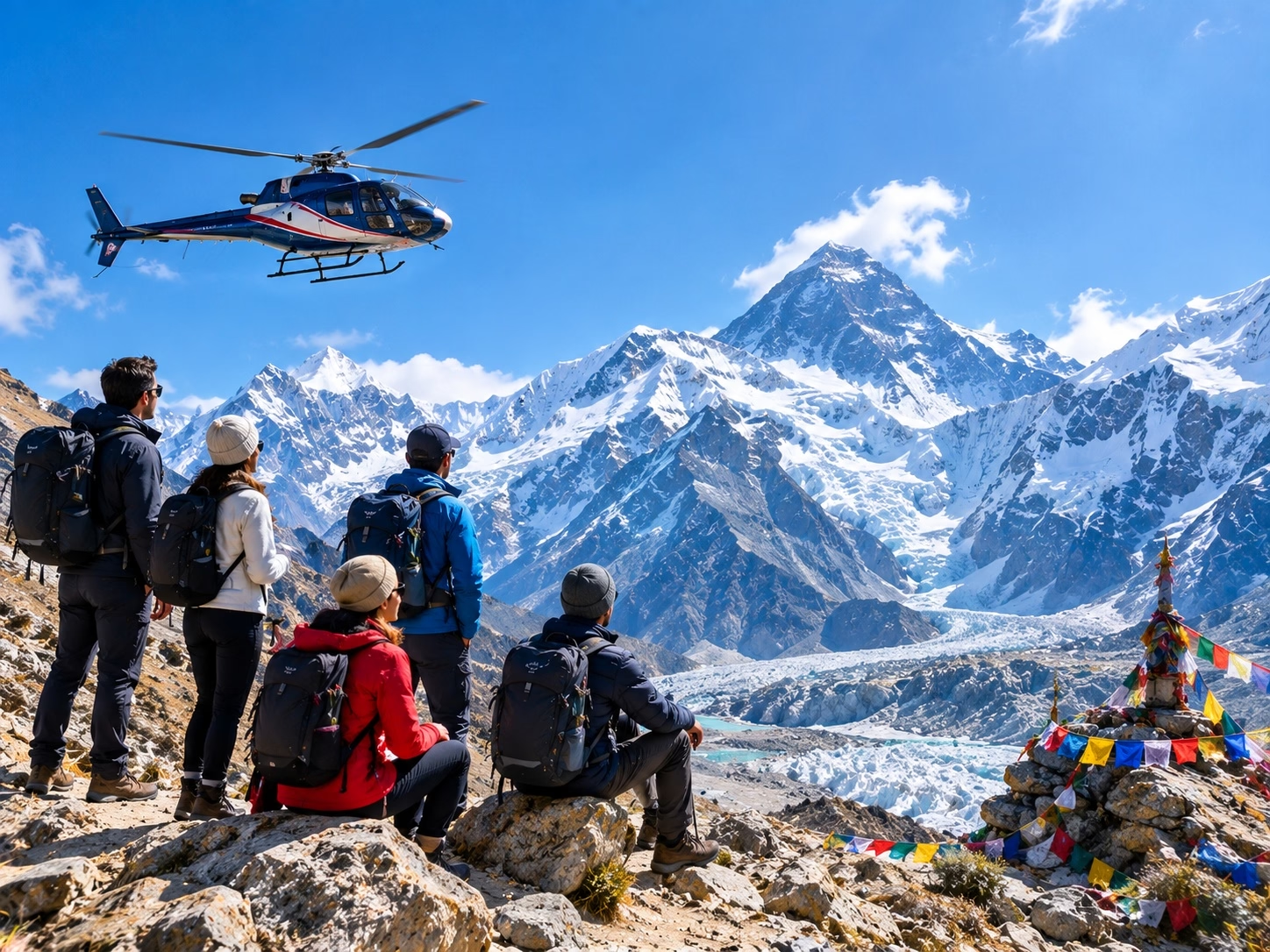 FeaturedNepal
Luxury Nepal Tour with Everest Helicopter tour
- Duration:
- 9 days
Starting at$2,000Explore