
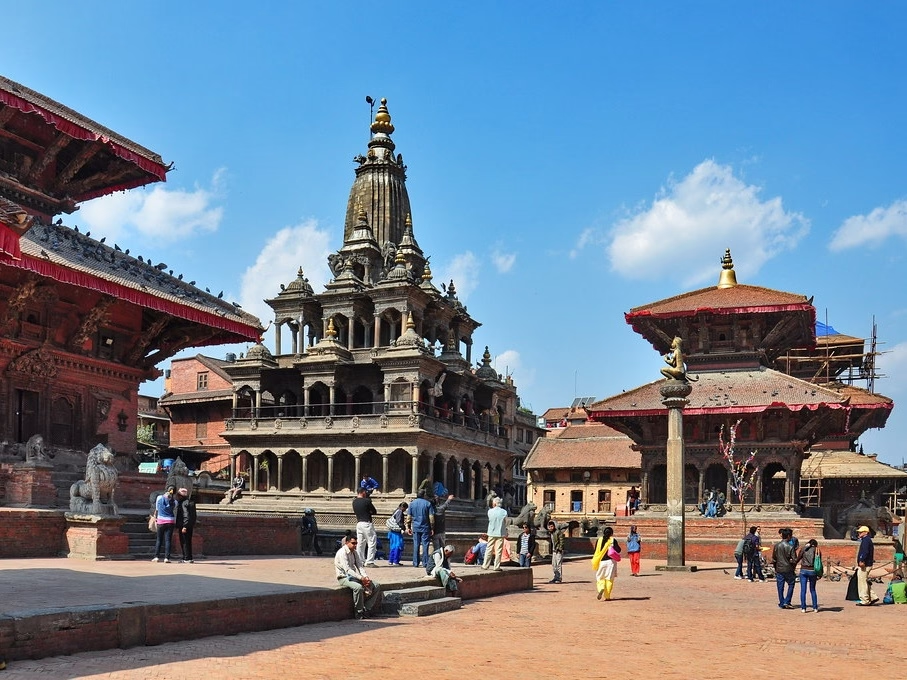
Patan Durbar Square
- Country
- Nepal
- Altitude
- 2350 m
- Tours
- 03
About Patan Durbar Square
Patan Durbar Square: A Living Museum of Newar Artistry
In the heart of Lalitpur, also known as Patan, stands one of the finest architectural ensembles in the Kathmandu Valley. Patan Durbar Square, a UNESCO World Heritage Site since 1979, is a place where centuries of royal ambition, devotion, and craftsmanship are gathered into a single open plaza.
A Royal Seat of the Malla Kings
The square served as the royal palace complex of the Malla kings, who ruled the city from roughly the 3rd century onward, with the most remarkable building flourishing between the 16th and 18th centuries. Kings such as Siddhi Narsingh Malla and Srinivas Malla competed in their patronage of the arts, and their legacy is written in brick, carved wood, and gilded metal. The palace itself is arranged around a series of courtyards, including the celebrated Sundari Chowk and Mul Chowk, where intricate woodwork and the sunken royal bath, Tusha Hiti, reveal the refinement of Newar artisans.
Temples That Define the Skyline
Facing the palace, the plaza is crowded with temples of varied styles. The Krishna Mandir, built entirely of stone in the 17th century, is perhaps the most striking, its tiers of pillared pavilions echoing the Shikhara style of Indian architecture. Nearby, the Bhimsen Temple honors the god of trade, while the Vishwanath Temple is guarded by stone elephants. The golden-roofed Taleju Bhawani Temple, dedicated to the royal family's patron goddess, rises above the palace and opens to the public only on rare occasions. Tall stone pillars topped with statues of kings stand as quiet reminders of who once ruled here.
Resilience and Restoration
The 2015 earthquake caused serious damage to several structures, and some temples collapsed entirely. Since then, local communities, heritage organizations, and craftspeople have worked steadily to rebuild using traditional methods and materials, a reflection of Patan's long-standing pride in its artisan tradition.
Why It Matters
What sets Patan apart is that it is not a preserved relic but a living space. Locals still gather in its courtyards, worship at its shrines, and celebrate festivals such as Rato Machhindranath and Krishna Janmashtami. Metalworkers and woodcarvers continue to practice in the surrounding lanes, keeping alive the skills that built the square itself.
For visitors, Patan Durbar Square offers a quieter, more intimate alternative to its neighbors in Kathmandu and Bhaktapur. Wandering its brick-paved plaza at sunset, as bells ring and the temple silhouettes glow in golden light, it is easy to understand why Patan is often called the City of Fine Arts.
Trips featuring Patan Durbar Square
 FeaturedNepal
Luxury Nepal Tour with Everest Helicopter tour
- Duration:
- 9 days
Starting at$2,000Explore Nepal5.0(29)
Golden Triangle Nepal Tour- Your Luxury Tour in Nepal
- Duration:
- 8 days
Starting at$899Explore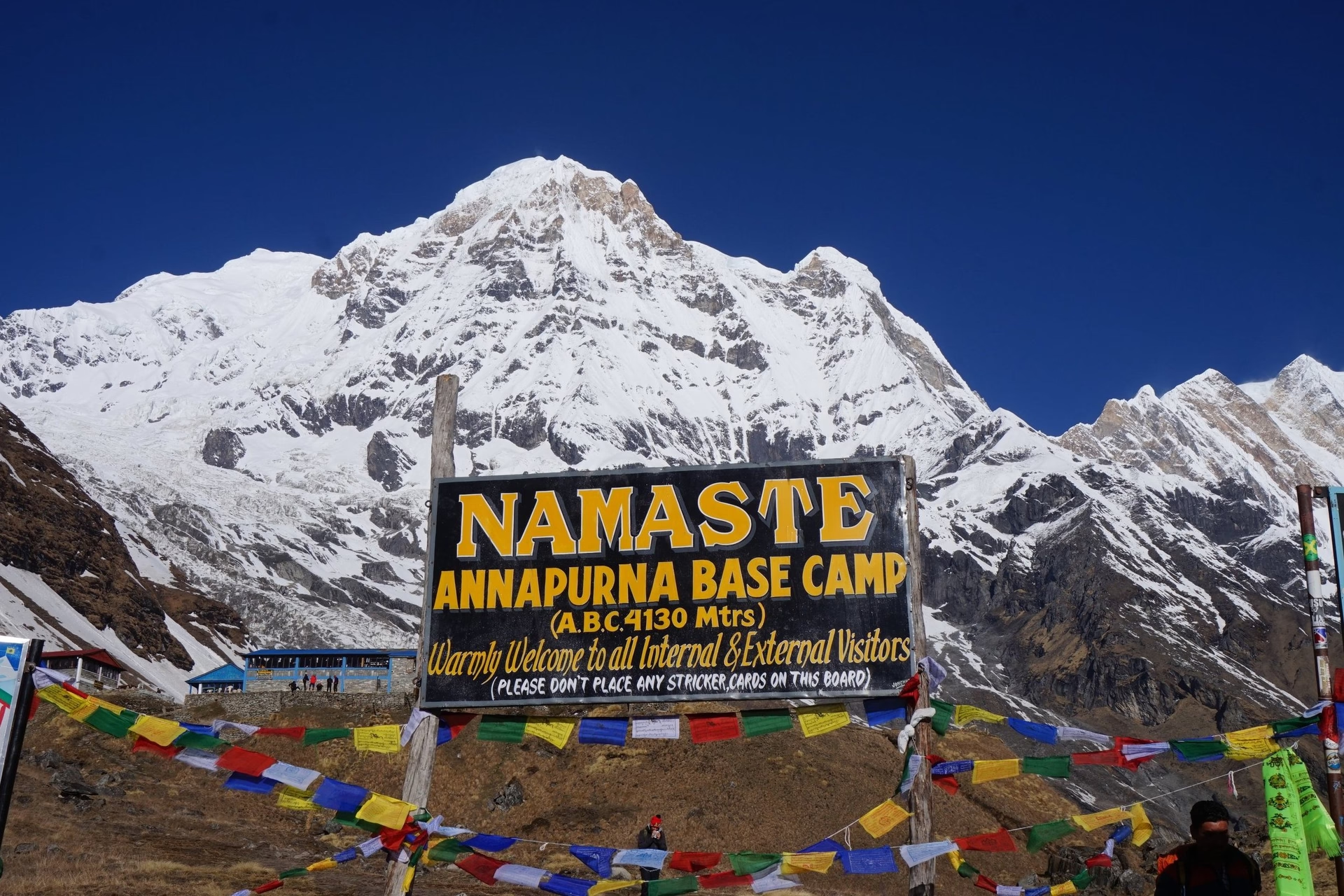 Nepal5.0(39)
Annapurna Base Camp Trek- 9 Days Adventure in Himalayas
- Duration:
- 9 days
Starting at$990Explore
Where to find Patan Durbar Square
Coordinates · M8FG+34 Lalitpur, Bagmati Province