Taj Mahal
- Country
- India
- Altitude
- 170 m
- Tours
- 02
About Taj Mahal
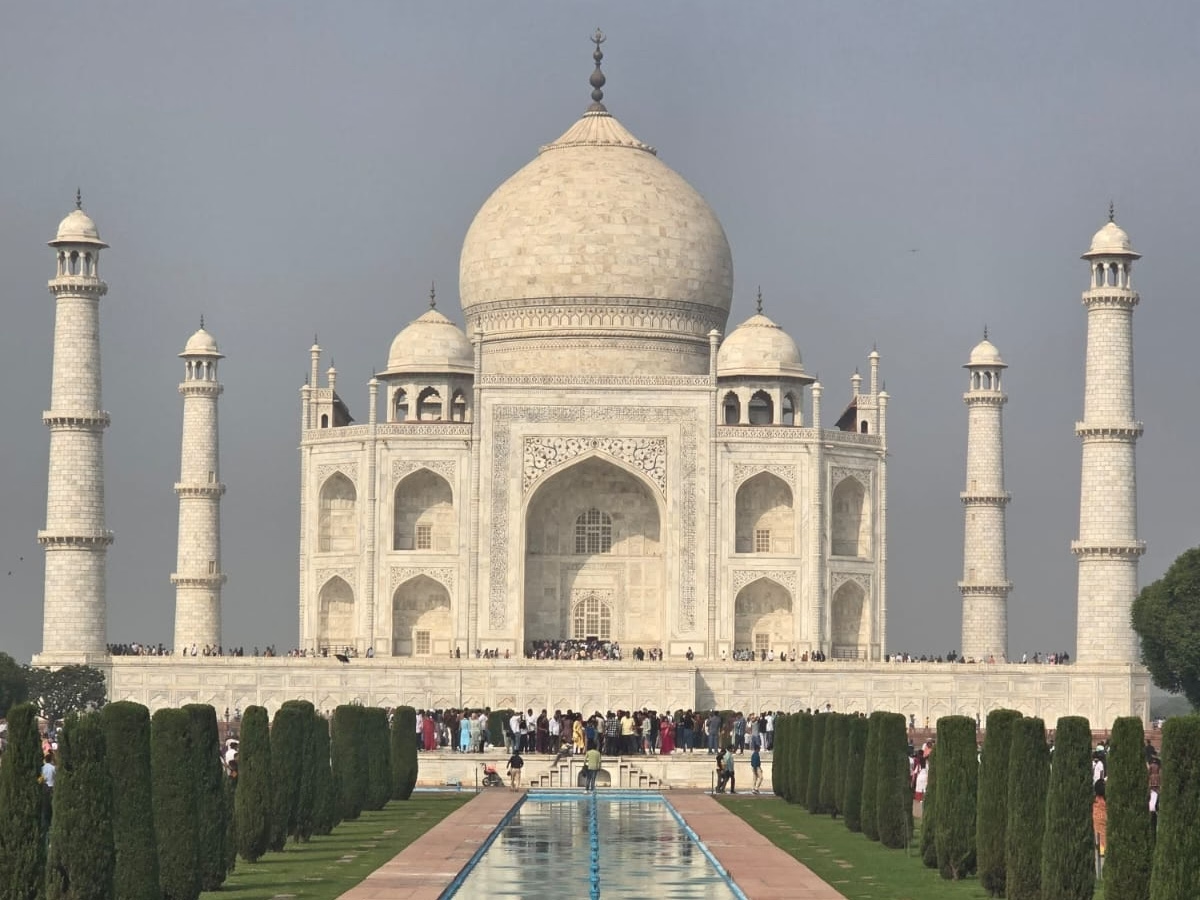
Rising from the banks of the Yamuna River in Agra, India, the Taj Mahal is one of the most celebrated buildings in the world. Its gleaming white dome and perfectly symmetrical gardens have drawn travelers, poets, and photographers for nearly four centuries.
Origins
The Mughal emperor Shah Jahan commissioned the Taj Mahal in 1632 after the death of his beloved wife, Mumtaz Mahal, who died giving birth to their fourteenth child. Devastated by her loss, he resolved to build a tomb worthy of her memory. Construction took roughly two decades and employed an estimated 20,000 artisans, masons, and laborers from across India, Persia, and Central Asia.
Architecture
The monument is a masterpiece of Mughal design, blending Persian, Islamic, and Indian styles. Built primarily of white Makrana marble, the central mausoleum is crowned by a massive dome flanked by four slender minarets. The marble is inlaid with semi-precious stones in intricate floral patterns, and verses from the Quran are carved into its archways. The surrounding charbagh garden, divided into four sections by water channels, reflects the Islamic vision of paradise.
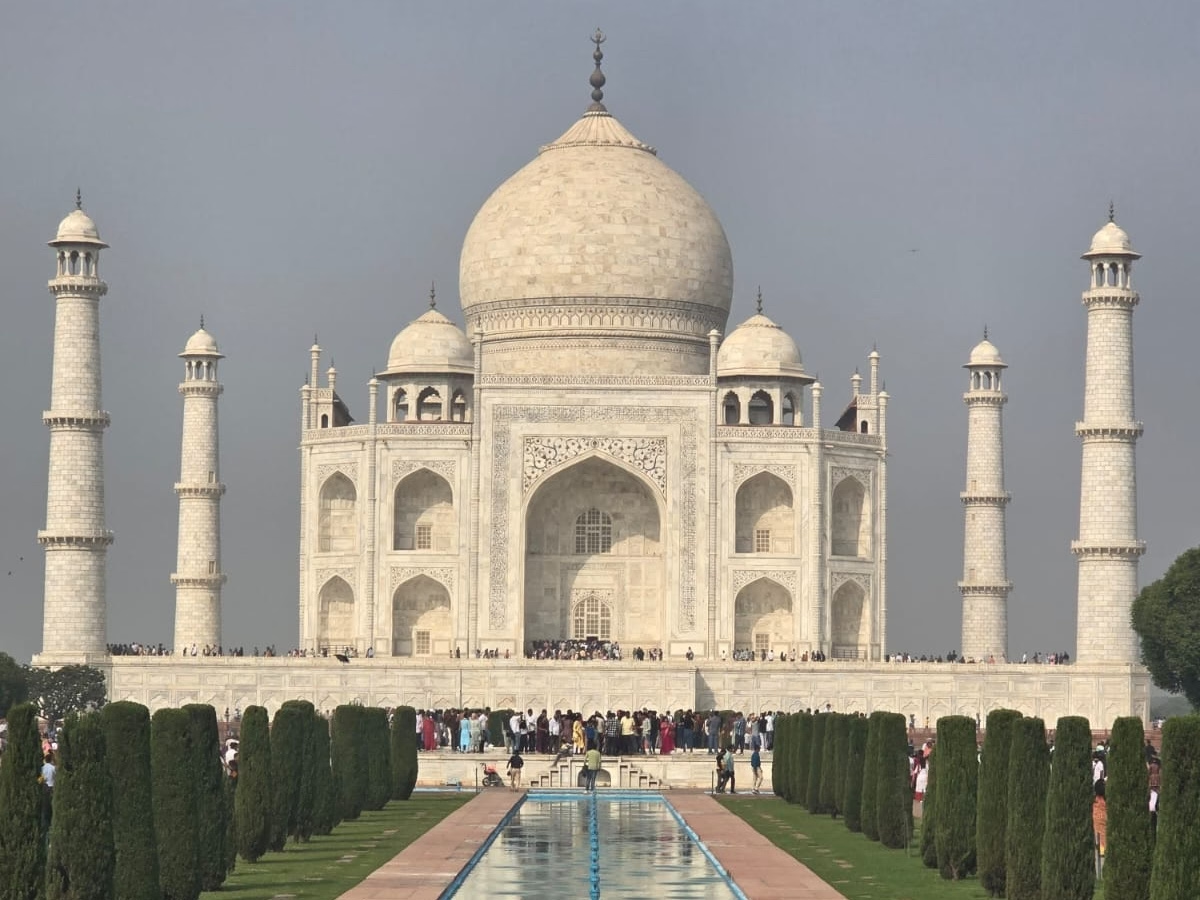
One of its most magical qualities is how it changes color through the day, glowing soft pink at dawn, brilliant white at noon, and golden as the sun sets.
Legacy and Recognition
The Taj Mahal was designated a UNESCO World Heritage Site in 1983 and was named one of the New Seven Wonders of the World in 2007. It attracts millions of visitors every year, making it one of India’s most visited landmarks. Shah Jahan himself is buried beside Mumtaz Mahal within the complex.
Visiting Tips
Best time to visit: October to March, when the weather is cooler.
Go early: Sunrise offers softer light and fewer crowds.
Closed on Fridays: The site is reserved for prayers at the mosque on the grounds.
Dress comfortably: Expect plenty of walking, and be prepared to remove or cover your shoes in the main mausoleum.
Conclusion
More than a tomb, the Taj Mahal is a lasting symbol of love, artistry, and the splendor of the Mughal Empire. Standing before it, visitors understand why it has captivated the world for generations.