
- Informations
7 Days Bhutan Tour: Paro, Thimphu & Punakha
This article is a practical travel guide for international travellers planning a 7-day trip to Bhutan. It explores how to experience the country's three popular destinations, Paro, Thimphu, and Punakha, within one week. The guide covers a day-by-day itinerary, major attractions, travel times, estimated tour costs, visa and Sustainable Development Fee information, the best time to visit, and essential travel tips. It aims to help first-time visitors understand what to expect and plan a comfortable, memorable journey in Bhutan.
- Published
- Updated
- Read time
- 17min
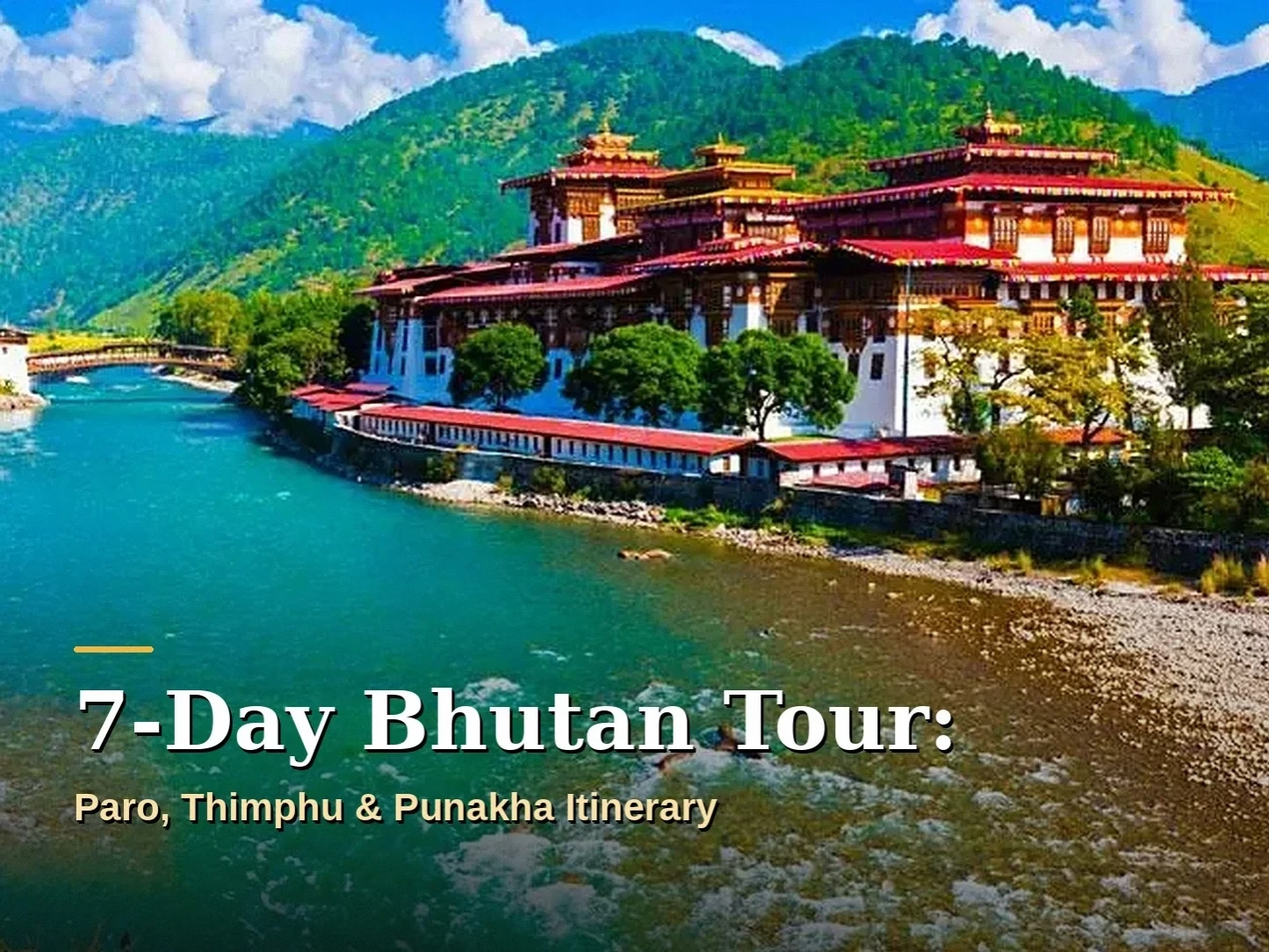
Table of Contents36
Bhutan is a destination where traditional ways of life, Buddhist culture, and Himalayan landscapes remain closely connected. From quiet monasteries and historic fortresses to mountain roads and small villages, the country offers a different experience from many other destinations in Asia.
If you are planning a 7-day Bhutan tour, you have enough time to explore three of the country's most popular destinations: Paro, Thimphu and Punakha. You can visit important cultural sites, cross a high mountain pass, experience local life, and spend a day hiking to the famous Tiger's Nest Monastery.
Seven days also gives you a more comfortable pace than trying to see everything in just a few days. Instead of rushing between attractions, you can spend time understanding the places you visit.
This guide explains how to plan a week in Bhutan, including a suggested itinerary, travel times, major attractions, estimated costs, the best season to visit, and practical advice for international travellers.
Is 7 Days Enough to Visit Bhutan?
Yes. Seven days is a good amount of time for a first visit to Bhutan, especially if you want to explore its western valleys.
A week allows you to experience three important destinations:
Paro: Known for its traditional architecture, historic sites, and the famous Tiger's Nest Monastery.
Thimphu: Bhutan's capital, where modern daily life exists alongside traditional culture and religious landmarks.
Punakha: A beautiful valley known for its rivers, historic dzong, villages and warmer climate.
A typical seven-day route includes arrival in Paro, travel to Thimphu, a journey across Dochula Pass to Punakha, and a return to Paro for the Tiger's Nest hike before departure.
This route is suitable for travellers interested in culture, scenery, and moderate outdoor activities. If you want to explore central or eastern Bhutan as well, you will need additional days.
7-Day Bhutan Tour Route at a Glance
Day | Destination or Route | Main Experience | Overnight |
|---|---|---|---|
Day 1 | Paro to Thimphu | Arrival and scenic drive | Thimphu |
Day 2 | Thimphu | Cultural and city sightseeing | Thimphu |
Day 3 | Thimphu to Punakha | Dochula Pass and mountain views | Punakha |
Day 4 | Punakha | Dzong, suspension bridge and village visits | Punakha |
Day 5 | Punakha to Paro | Scenic return journey | Paro |
Day 6 | Paro | Tiger's Nest Monastery hike | Paro |
Day 7 | Paro | Airport transfer and departure | — |
This route includes six overnight stays: two nights in Thimphu, two in Punakha and two in Paro.
7 Days Bhutan Tour Itinerary
The following itinerary provides a practical way to explore Paro, Thimphu, and Punakha over seven days. Driving times are approximate and may change depending on road conditions, weather, and stops along the way.
Day 1: Arrive in Paro and Travel to Thimphu
Your Bhutan journey begins at Paro International Airport. After completing arrival formalities, meet your local guide and continue towards Thimphu by private vehicle.
The drive is approximately 54 km and usually takes around one hour, depending on traffic and road conditions. The route follows the Paro and Thimphu river valleys, offering an early introduction to Bhutan's mountain scenery.
After reaching Thimphu, check in to your hotel and take some time to rest. If you arrive early and feel comfortable after your journey, you can explore the nearby streets or visit a local market.
Thimphu is an interesting introduction to Bhutan because it combines traditional buildings, government offices, monasteries, shops, and everyday city life.
Overnight: Thimphu
Day 2: Explore Thimphu's Culture and Landmarks
Spend your second day exploring Thimphu. Although it is Bhutan's capital, the city has a relaxed atmosphere and plenty of cultural attractions.
Some places worth including in your sightseeing plan are:
Buddha Dordenma: This large Buddha statue overlooks the Thimphu Valley. The location offers wide views of the surrounding hills and city.
Tashichho Dzong: A major religious and administrative complex, known for its traditional Bhutanese architecture. Visitors can learn about the country's religious and political heritage here.
National Memorial Chorten: This important religious monument is a regular place of worship for local residents. You may see people walking around the chorten, spinning prayer wheels, and offering prayers.
Folk Heritage Museum: A useful stop for understanding traditional Bhutanese homes, household objects, and rural lifestyles.
Motithang Takin Preserve: A place to learn about the takin, Bhutan's national animal. You can also visit local craft shops and markets to see traditional textiles, handmade products, and souvenirs. If you are interested in Bhutanese art, check whether the Institute for Zorig Chusum is open to visitors during your stay.
Rather than trying to visit every attraction, choose a few that match your interests and allow enough time to enjoy them.
Overnight: Thimphu
Day 3: Thimphu to Punakha via Dochula Pass
On the third day, travel from Thimphu to Punakha. This drive is approximately 76 km and generally takes around two to three hours, not including sightseeing stops.
One of the highlights of this journey is Dochula Pass, located at approximately 3,100 metres above sea level.
The pass is known for its collection of 108 memorial chortens, built in honour of Bhutanese soldiers. On a clear day, the surrounding mountain views make it a memorable place to stop.
You can also visit Druk Wangyal Lhakhang, a temple near the pass with distinctive artwork and architecture.
After spending time at Dochula, continue down towards Punakha. The landscape gradually changes as the road descends into a warmer valley with rivers, agricultural fields, and small settlements.
Punakha sits at a lower elevation than Thimphu, so the climate is often warmer. After arriving, check in to your accommodation and enjoy a relaxed evening.
Overnight: Punakha
Day 4: Discover Punakha Valley
Punakha is one of the most scenic parts of western Bhutan. The valley is known for its historic architecture, riverside landscapes and traditional villages.
Start your sightseeing with Punakha Dzong, one of Bhutan's most recognised fortress-monasteries. It stands at the meeting point of the Pho Chhu and Mo Chhu rivers. Its traditional design and riverside setting make it an important cultural and architectural attraction.
Another popular stop is the Punakha Suspension Bridge. It stretches across the river and offers views of the surrounding valley. Walking across the bridge is a simple way to enjoy the landscape from a different perspective.
You can also visit Chimi Lhakhang, a temple associated with the Buddhist figure Drukpa Kunley, often known as the Divine Madman. The walk towards the temple passes through a traditional village and agricultural fields.
Depending on your interests and the available time, you may also enjoy:
Walking through nearby villages.
Observing traditional Bhutanese homes and farming landscapes.
Trying local Bhutanese dishes.
Taking a gentle riverside walk.
Exploring optional river activities, subject to season and local conditions.
Punakha is a good place to slow down and enjoy the surroundings rather than filling the entire day with sightseeing.
Overnight: Punakha
Day 5: Return to Paro
After breakfast, begin the journey from Punakha to Paro. The distance is approximately 130 km, and the drive generally takes around four hours, depending on road conditions and stops.
The route passes through Dochula Pass again before continuing towards Paro. You may notice different views along the same road, especially if the weather changes.
Once you reach Paro, check in to your hotel and take some time to relax after the drive.
If you have enough time, explore Paro town. You can walk around the main streets, visit small shops, look for traditional handicrafts, or enjoy a meal at a local restaurant.
Paro has a quieter atmosphere than Thimphu and is a convenient base for exploring the valley's historic attractions.
Overnight: Paro
Day 6: Hike to Tiger Nest Monastery
The sixth day is one of the main highlights of a week in Bhutan.
Tiger's Nest Monastery, also known as Paro Taktsang, is located on a cliff above the Paro Valley at approximately 3,120 metres. It is one of Bhutan's most recognised landmarks and an important Buddhist pilgrimage site.
The hike usually takes around four to five hours for the round trip, although the time depends on your fitness level, walking pace, weather, and time spent at the monastery.
The trail begins through a forested area and gradually climbs towards the viewpoint. Along the way, you will find places to rest and enjoy views of the monastery across the valley.
A cafeteria viewpoint provides a place to take a break before continuing towards the final section of the route. The last part includes steps leading down and back up towards the monastery.
A few things to remember before starting:
Wear comfortable walking shoes with a good grip.
Carry drinking water and light snacks.
Start early to allow enough time for the hike.
Walk at a comfortable pace and take breaks when needed.
Carry a light jacket because the weather can change.
Follow the monastery's rules, including restrictions on photography inside certain areas.
The hike is manageable for many travellers with a reasonable level of fitness, but it should not be treated as an effortless walk. The steep sections and altitude can make it tiring.
If you want more detailed preparation advice, read this guide to the Tiger Nest Monastery hike. After returning to Paro, spend the rest of the day resting.
Overnight: Paro
Day 7: Departure from Paro
Your final day is reserved for departure.
After breakfast, your driver will transfer you to Paro International Airport according to your flight schedule. Allow enough time for airport procedures and any changes in road conditions.
If your flight is later in the day, you may have some time to enjoy breakfast and take in the surroundings before leaving.
This brings your seven-day Bhutan journey to an end, with experiences ranging from historic dzongs and mountain passes to village walks and the Tiger Nest hike.
How Much Does a 7-Day Bhutan Tour Cost?
The cost of a seven-day Bhutan trip depends on your travel style, accommodation, group size, transportation, activities, and the time of year you visit.
For travellers comparing organised trips, the starting price of the seven-day Bhutan tour listed by Relax Getaways is US$1,350 per person. This is a package starting price, not necessarily the complete cost of every traveller's trip.
Before booking, check exactly what the price covers. International flights, personal expenses, travel insurance, and optional activities may be additional costs.
You should also calculate the Sustainable Development Fee (SDF), visa charges where applicable, and any other expenses that are not included in your selected package.
What Can Affect Your Bhutan Travel Budget?
Accommodation: Hotel category and room arrangements can make a noticeable difference to the total cost. Confirm the hotel standard before booking.
Transportation: A private vehicle offers flexibility and makes it easier to visit attractions along the route. The cost may vary depending on group size and vehicle type.
Meals: Your budget will depend on whether meals are included in your tour or paid for separately.
Activities: Some sightseeing entrance fees may be included in an organised package, while optional activities can increase your spending.
Travel season: Demand, hotel availability and flight prices can affect the overall cost of your trip.
Understanding Bhutan Sustainable Development Fee
Bhutan charges most international adult visitors a Sustainable Development Fee of US$100 per person per night. Children aged 6 to under 12 generally receive a reduced rate of US$50 per night, while children under six are exempt. Different rates and entry procedures apply to certain nationalities.
Most international visitors also pay a one-time, non-refundable visa application fee of US$40. These charges should be checked against the official rules for your nationality and travel dates.
The SDF is a government fee and should not automatically be assumed to be included in a tour package. Confirm this with your tour operator before making a payment. For the latest requirements, check the official Bhutan visa information.
Best Time to Visit Bhutan for 7 Days
Bhutan can be visited throughout the year, but the experience changes with the seasons. Weather, visibility, festivals, and road conditions are worth considering when choosing your travel dates.
Spring (March to May)
Spring is a popular time to visit Bhutan. The valleys become greener, flowers begin to bloom, and the weather is generally pleasant for sightseeing and walking.
It is a good season for travellers who want to explore cultural sites and enjoy the natural scenery. Some areas also have rhododendron blooms during this period.
Summer (June to August)
Summer brings the monsoon season to Bhutan. The landscapes become lush and green, but rainfall can affect outdoor plans.
Road journeys may take longer during wet weather, and hiking trails can become slippery. If you travel during this season, keep some flexibility in your itinerary.
Autumn (September to November)
Autumn is another popular season for a Bhutan tour. The weather is often clearer, offering good conditions for mountain views and outdoor sightseeing.
Travellers visiting during this period may also have opportunities to experience local festivals, depending on the dates and location.
Winter (December to February)
Winter is generally quieter, with cold mornings and evenings, particularly in higher areas. Some days can be sunny and suitable for sightseeing.
It can be a good option for travellers who prefer fewer visitors, but warm clothing is important.
Which season should you choose?
For a first visit that includes Dochula Pass and the Tiger's Nest hike, spring and autumn are often good choices. However, the best dates depend on your preferred weather, festival interests, and travel budget.
For a more detailed seasonal breakdown, see our guide to the best time to visit Bhutan.
Bhutan Travel Requirements for International Visitors
Before travelling to Bhutan, check the entry requirements that apply to your nationality. Visa and permit procedures are not identical for all travellers.
Most international visitors need to arrange a visa before travelling. Visitors from India follow a separate permit process, while travellers from Bangladesh and the Maldives have their own procedures.
For many international visitors, the visa application process includes:
A valid passport.
A recent digital passport photograph.
Travel dates and other requested details.
Payment of the applicable visa fee and SDF.
The official tourism website states that a one-time US$40 visa application fee applies to most visitors who require a visa. The SDF is charged separately according to the visitor's nationality, age, and length of stay.
What to Pack for a 7-Day Bhutan Tour
Packing for Bhutan depends on the season and the activities you plan to do. Since this itinerary includes city sightseeing, mountain drives, and a hike, comfortable clothing and practical footwear are important.
Here are some useful items to bring:
Walking shoes: Comfortable shoes with good grip are useful for sightseeing and the Tiger's Nest trail.
Warm layers: Carry a fleece, sweater or jacket, especially for early mornings and higher elevations.
Lightweight clothing: Comfortable clothes are suitable for daytime sightseeing during warmer months.
Rain protection: A lightweight rain jacket or umbrella can be helpful during the monsoon and changing weather.
Sun protection: Sunglasses, sunscreen, and a hat can help protect you during outdoor activities.
Personal medication: Bring any regular medication you need, along with basic personal supplies.
Small daypack: A compact backpack is useful for carrying water, snacks, a jacket, and other essentials during day trips.
Travel documents: Keep your passport, visa details, flight information, and travel insurance documents accessible.
When visiting monasteries and religious sites, wear respectful clothing. It is also important to follow local instructions about footwear, photography, and behaviour inside religious buildings.
Is the Tiger Nest Hike Difficult?
The Tiger's Nest hike is one of the most memorable activities in Bhutan, but it requires some physical effort.
The trail climbs steadily through a forested hillside before reaching the monastery area. The elevation and uphill sections can make the walk challenging for people who are not used to hiking.
You do not need to be an experienced mountaineer, but a reasonable level of fitness will make the experience more comfortable.
If you are concerned about the difficulty, consider doing some regular walking before your trip. Take breaks during the hike, stay hydrated, and avoid rushing.
Travellers with mobility limitations or certain health concerns should consider their individual needs before attempting the trail.
Is a Guided 7-Day Bhutan Tour Worth It?
For many first-time visitors, travelling with a local guide and private transportation makes exploring Bhutan easier.
The route between Paro, Thimphu and Punakha involves mountain roads, changing elevations and several sightseeing stops. A planned itinerary can help manage travel time and make the most of a limited holiday.
A guided trip can also provide useful context about Bhutanese traditions, Buddhist sites, local customs and the history of the places you visit.
When comparing tour options, look beyond the headline price. Check the accommodation category, meals, transport arrangements, guide services, entrance fees, visa support, and SDF arrangements.
If you prefer a pre-arranged trip, you can review the seven-day Bhutan tour package and compare its inclusions with your travel requirements.
You can also explore other Bhutan tour options if you are considering a different duration or route.
Can You Customise a 7-Day Bhutan Itinerary?
Yes. A seven-day itinerary can be adjusted depending on your interests, travel dates, budget, and preferred pace.
For example, travellers interested in culture may want to spend more time exploring monasteries, museums and traditional villages. Those who enjoy outdoor activities may prefer additional nature walks or other activities available during their travel season.
Families may prefer a slower sightseeing schedule, while couples may want more time for scenic stops and relaxed evenings.
However, adding destinations or activities may require changes to driving time, accommodation, and the overall cost. Discuss these details before confirming your itinerary.
If you have specific travel preferences, you can customise your Bhutan trip according to your schedule.
Final Answer: Is a Week in Bhutan Worth It?
A seven-day Bhutan trip offers a rewarding introduction to the country's culture, landscapes and everyday life. The route through Paro, Thimphu and Punakha brings together historic architecture, mountain scenery, local villages and one of the country's most famous hiking experiences.
The journey is not only about visiting well-known attractions. It is also about enjoying the quieter moments, such as watching daily life in Thimphu, stopping at Dochula Pass, or walking through the villages of Punakha.
If you are visiting Bhutan for the first time, a week is a practical starting point. Plan your travel dates carefully, understand the visa and SDF requirements, and choose an itinerary that gives you enough time to enjoy each destination.
For help planning your trip, you can contact Relax Getaways to discuss your travel dates and preferences.
Frequently Asked Questions About a 7-Day Bhutan Tour
1. Is 7 days enough for Bhutan?
Yes. Seven days is enough to explore Paro, Thimphu, and Punakha at a comfortable pace.
2. What are the best places to visit in Bhutan in 7 days?
Paro, Thimphu and Punakha are three excellent destinations for a first-time visit.
3. How much does a 7-day Bhutan tour cost?
Costs depend on accommodation, transport, meals, and inclusions. Relax Getaways lists a starting package price of US$1,350 per person; confirm the final price and additional fees before booking.
4. Is Bhutan expensive for tourists?
Bhutan can cost more than some other Asian destinations because of accommodation, transport, and the Sustainable Development Fee.
5. Do I need a visa to visit Bhutan?
Most international visitors need a visa before travelling. Entry procedures vary by nationality, so check the official requirements.
6. What is the best month to visit Bhutan?
March to May and September to November are popular periods for sightseeing and outdoor activities.
7. How difficult is the Tiger's Nest hike?
It is a moderately challenging uphill hike. A reasonable level of fitness and comfortable walking shoes are recommended.
8. Can I visit Bhutan without a tour guide?
Travel arrangements and requirements depend on your nationality and current Bhutanese regulations. Check the latest official guidance before planning an independent trip.
9. What currency is used in Bhutan?
The Bhutanese Ngultrum (BTN) is the local currency. Indian Rupees are also accepted in many places, subject to applicable restrictions.
10. How many nights are needed for a 7-day Bhutan tour?
A typical seven-day itinerary includes six nights: two in Thimphu, two in Punakha, and two in Paro.