
- Informations
What to Pack for Bhutan: A Complete Travel Packing List
Planning a trip to Bhutan? This Bhutan packing list covers essential clothing, footwear, travel items, and trekking gear to help you prepare for the weather, cultural visits, and outdoor activities.
- Published
- Read time
- 16min
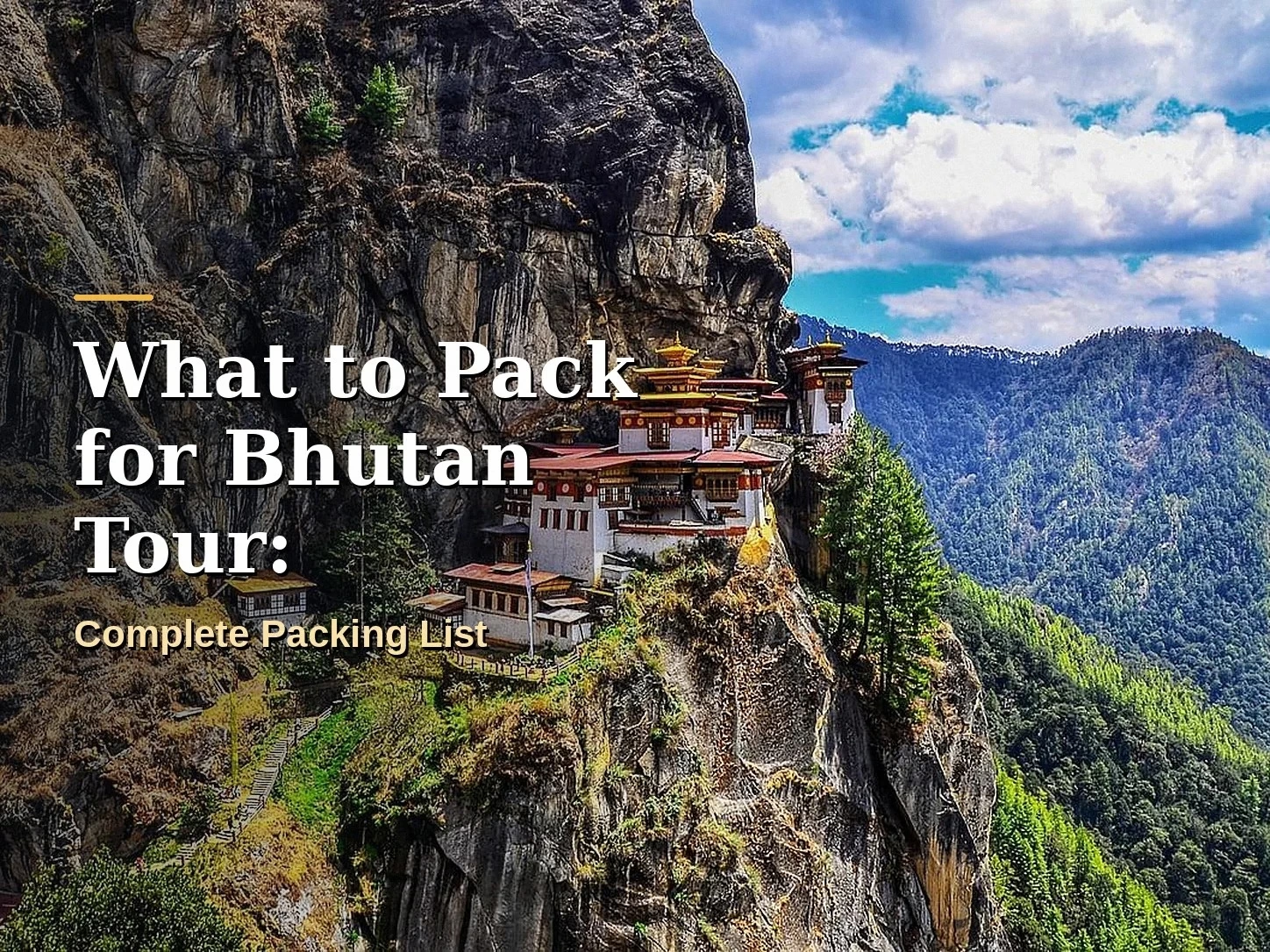
Table of Contents47
Planning a trip to Bhutan involves more than choosing comfortable clothes and packing a suitcase. The country changing elevations, mountain weather, traditional monasteries, and outdoor activities all influence what you should bring. A day exploring Paro and Thimphu can feel quite different from an afternoon in the warmer Punakha Valley or a hike through the Himalayan mountains.
A good Bhutan packing list should include comfortable layered clothing, suitable walking shoes, weather protection, personal essentials, and respectful outfits for visiting religious sites. Travellers planning a trekking adventure will also need additional equipment to stay warm and comfortable at higher elevations.
Whether you are visiting Bhutan for five days of cultural sightseeing or planning a longer Himalayan adventure, preparing the right items will help make your journey more comfortable.
What Should You Pack for Bhutan? Essential Packing Checklist
For a typical Bhutan holiday, prioritise versatile clothing, comfortable footwear, a warm jacket, personal medicines, sun protection and essential travel documents. You do not need specialist trekking equipment for an ordinary cultural tour, but you should prepare for changing temperatures throughout the day.
Here is a quick overview of the most important items to include:
Category | Essential items |
Clothing | T-shirts, long-sleeved shirts, trousers, sweaters and jackets |
Footwear | Comfortable walking shoes, socks and hiking shoes if needed |
Weather protection | Rain jacket, umbrella and warm layers |
Travel documents | Passport, visa documents, insurance and booking confirmations |
Toiletries | Toothbrush, toothpaste, sunscreen and personal hygiene products |
Medication | Regular prescription medicines and basic first-aid supplies |
Electronics | Phone, charger, camera, power bank and travel adapter |
Accessories | Sunglasses, hat, reusable water bottle and daypack |
The quantity of each item depends on your travel duration, accommodation, laundry arrangements and planned activities.
What Clothes Should You Pack for Bhutan?
Clothing is one of the most important parts of preparing for Bhutan. Temperatures can change considerably between destinations and elevations, so packing several lightweight layers is generally more practical than relying on one heavy jacket.
For example, Punakha has a warmer subtropical climate, while Paro and Thimphu are located at higher elevations and can feel cooler, particularly during mornings and evenings.
Consider including the following clothing in your suitcase.
1. Comfortable T-shirts and shirts
Pack a few breathable T-shirts and casual shirts for daytime sightseeing. Cotton and moisture-wicking fabrics are useful for walking around towns, visiting markets, and exploring warmer areas.
2. Long-sleeved shirts
Long-sleeved clothing is useful for cooler mornings, sun protection, and visits to religious sites. Choose lightweight options that are comfortable to wear throughout the day.
3. Trousers and comfortable bottoms
Carry comfortable full-length trousers, travel pants or lightweight hiking trousers. These are practical for sightseeing, road journeys and monastery visits.
4. Sweaters and fleece jackets
A fleece jacket or warm sweater is useful when temperatures drop in the evening or when travelling through higher mountain areas.
5. Insulated and waterproof jackets
A warm insulated jacket is particularly useful during winter and high-altitude travel. A lightweight waterproof or windproof outer layer is also worth carrying, especially during the rainy season.
6. Thermal clothing
Thermal tops and bottoms are useful during winter and trekking trips. They provide additional warmth without taking up too much luggage space.
7. Socks and underwear
Pack enough socks and underwear for your journey. Include a few pairs of thicker socks if you plan to walk extensively or visit colder mountain destinations.
8. Comfortable sleepwear
Choose sleepwear according to your accommodation and the season. Rooms at higher elevations can feel cold during winter, so warmer sleepwear may be useful.
The key is to choose clothes that can be mixed and matched. A few versatile outfits are generally more practical than carrying separate clothing for every destination. |
What to Wear When Visiting Bhutanese Monasteries and Dzongs
Bhutan monasteries, temples, and dzongs are important parts of its cultural and religious heritage. Visitors should dress respectfully when entering these places.
Although tourists do not need traditional Bhutanese clothing for ordinary visits, modest outfits are appropriate at religious sites. Clothing that covers the shoulders and knees is a sensible choice.
Here are some practical clothing suggestions:
Wear shirts or tops that cover your shoulders.
Choose long trousers, jeans, or skirts that cover your knees.
Avoid revealing outfits during religious visits.
Carry a light jacket or long-sleeved shirt when necessary.
Remove hats and caps before entering sacred spaces.
Be prepared to remove your shoes before entering certain religious buildings.
Photography restrictions may apply inside temples and other sacred spaces. Follow your guide instructions and ask permission before photographing local people or religious ceremonies.
These simple considerations will help you enjoy Bhutan's cultural attractions while respecting local traditions.
Bhutan Packing List by Season
Bhutan experiences four main seasons: spring, summer, autumn, and winter. However, local weather also depends on altitude and geographical location. The southern regions are generally warmer, while northern mountain areas experience much colder conditions.
Your packing choices should therefore reflect the time of year you plan to visit.
Season | What to pack | Packing priority |
Spring (March–May) | Light shirts, trousers, fleece, rain jacket and sunglasses | Layered clothing |
Summer/Monsoon (June–August) | Quick-drying clothes, waterproof jacket, umbrella and insect repellent | Rain protection |
Autumn (September–November) | Comfortable layers, warm jacket, walking shoes and light rain protection | Warm layers |
Winter (December–February) | Thermal wear, insulated jacket, gloves, scarf and warm socks | Cold-weather clothing |
Spring (March to May)
Spring is a pleasant season for exploring Bhutan. The weather gradually becomes warmer, and forests and valleys become colourful with seasonal flowers.
For a spring visit, pack breathable shirts, comfortable trousers, a light fleece jacket and a waterproof outer layer. Temperatures can still be cool in the mornings and evenings, especially around Paro and Thimphu.
If you are planning outdoor walks or sightseeing around mountain valleys, sunglasses, sunscreen and comfortable walking shoes are also useful.
Summer and Monsoon (June to August)
Summer brings warmer temperatures and monsoon rainfall to many parts of Bhutan. Travellers can enjoy green valleys, flowing rivers and lush landscapes, but rain may affect outdoor activities and road journeys.
Pack a waterproof jacket, quick-drying clothing, an umbrella and shoes with good grip. A small waterproof bag can also help protect your phone, camera and important belongings.
Lightweight clothing is useful in warmer areas such as Punakha, but keep a warm layer for higher elevations.
Autumn (September to November)
Autumn is one of the most popular seasons for visiting Bhutan because of its generally pleasant weather and clearer mountain views.
For this season, pack comfortable trousers, long-sleeved shirts, a fleece jacket and a warmer outer layer for evenings. Walking shoes are particularly important if your itinerary includes monasteries, viewpoints and outdoor sightseeing.
If you are still deciding when to travel, read our guide to the best time to visit Bhutan for a closer look at seasonal weather, festivals and travel opportunities.
Winter (December to February)
Winter can bring cold mornings, chilly evenings and snowfall at higher elevations. Although many lower-altitude destinations remain suitable for sightseeing, travellers should prepare for colder conditions.
Your winter packing list should include:
Thermal tops and bottoms.
A warm insulated jacket.
Sweaters or fleece layers.
Woollen socks.
Gloves and a warm hat.
A scarf or neck warmer.
Comfortable shoes suitable for cold conditions.
Moisturiser and lip balm.
If you plan to travel through higher mountain areas, check the expected weather conditions and road accessibility before departure.
Footwear and Accessories You Should Bring
Bhutan involves plenty of walking, from exploring traditional streets and monastery courtyards to climbing stone steps and visiting mountain viewpoints. Choosing the right footwear can make a significant difference to your comfort.
Consider packing the following:
Comfortable walking shoes: A reliable pair of walking shoes is sufficient for most cultural sightseeing and town exploration. Choose shoes that provide good support and have already been worn in.
Hiking shoes: If you plan to hike to Tiger's Nest Monastery or explore other mountain trails, bring suitable hiking shoes with good grip. Avoid wearing brand-new shoes for a long hike.
Extra socks: Carry comfortable everyday socks and thicker pairs for colder weather or longer walks.
Sunglasses: Mountain sunlight can be strong, so good-quality sunglasses are useful during outdoor activities.
Sun hat or cap: A lightweight hat provides protection during sunny sightseeing days. Remember to remove it before entering sacred spaces.
Sunscreen: Carry sunscreen for everyday outdoor activities, particularly when walking at higher elevations.
Small daypack: A lightweight backpack is useful for carrying water, snacks, a jacket, sunscreen, and personal belongings during day trips.
Reusable water bottle: Carry a refillable bottle to stay hydrated while exploring. For trekking, follow your guide's advice about safe drinking water and treatment.
These accessories do not take up much space but can make sightseeing and outdoor activities considerably easier.
Electronics and Travel Essentials for Bhutan
Besides clothing and footwear, a few practical travel essentials will help you stay organised throughout your Bhutan holiday.
1. Passport and travel documents
Keep your passport, visa documentation, travel insurance information, hotel reservations and tour confirmations organised.
It is sensible to carry digital copies of important documents and keep separate copies in your luggage.
2. Smartphone and charger
Your smartphone will be useful for navigation, communication, photographs and travel information. Save important bookings and contact details before departure.
3. Universal travel adapter
Bhutan uses Type C, D and G electrical sockets. Carry a universal travel adapter that supports these plug types and check your electronic devices' voltage compatibility before travelling.
4. Power bank
A portable power bank is useful during long road journeys and outdoor excursions, particularly when you spend several hours away from your hotel.
5. Camera and spare batteries
Bhutan offers plenty of photographic opportunities, including mountain landscapes, traditional architecture, colourful festivals and scenic valleys.
If you enjoy photography, bring your camera, charger, memory cards and spare batteries. Always respect photography restrictions at religious sites.
6. Cash and payment cards
Carry some local currency and an internationally accepted payment card. Payment options can vary between towns, shops and smaller establishments, so it is sensible to confirm arrangements before travelling.
7. Reusable water bottle
A reusable bottle is a practical addition to your daypack. It reduces the need for disposable plastic bottles and makes it easier to carry water during sightseeing.
What to Pack for Trekking in Bhutan
If your Bhutan holiday includes trekking, your packing requirements will be different from those of a regular cultural tour.
Mountain trails involve changing temperatures, uneven terrain, and potentially cold conditions at higher elevations. You will need suitable clothing, footwear, and personal equipment to remain comfortable throughout the journey.
For a trekking adventure, consider including these items.
Category | Recommended trekking equipment |
Footwear | Waterproof hiking boots with good ankle support |
Base layers | Moisture-wicking thermal tops and bottoms |
Outerwear | Insulated jacket and waterproof shell |
Lower body | Trekking trousers and comfortable base layers |
Accessories | Warm gloves, hat, scarf and trekking socks |
Equipment | Trekking poles, headlamp and daypack |
Hydration | Reusable water bottles and suitable water treatment |
Personal care | Sunscreen, lip balm and basic first-aid supplies |
Luggage | Duffel bag and waterproof packing bags |
Additional equipment for longer treks
For longer mountain journeys, you may also need a sleeping bag, sleeping bag liner, camping equipment and additional thermal clothing.
The exact requirements depend on the trekking route, altitude, season and support arrangements. Before departure, ask your trekking operator which equipment is provided and which items you must bring yourself.
For travellers considering a more challenging Himalayan adventure, the Jomolhari Trek is a good example of a journey that requires more preparation than ordinary sightseeing. This is a 10-day trekking experience reaching approximately 4,800 metres, so warm clothing, appropriate footwear and high-altitude preparation are particularly important.
Unlike a short cultural visit, a multi-day trek requires careful attention to warmth, footwear, weather protection and personal equipment. Make sure your packing list is confirmed with your trekking team before travelling. |
Toiletries, Medication and Personal Care Items
It is useful to carry your regular personal care products and essential medicines rather than relying entirely on finding specific brands after arriving in Bhutan.
A basic personal care kit can include:
Toothbrush and toothpaste.
Shampoo and conditioner.
Body wash or soap.
Sunscreen.
Moisturiser.
Lip balm.
Hand sanitiser.
Wet wipes and tissues.
Personal hygiene products.
Insect repellent.
For medication and first aid, consider carrying:
Regular prescription medicines in their original packaging.
Copies of prescriptions where appropriate.
Basic plasters and blister dressings.
Antiseptic wipes.
Any personal first-aid supplies you normally use.
If you take prescription medication, check Bhutan current import requirements before travelling, particularly for controlled or restricted medicines. Keep essential medication in your hand luggage where airline rules permit.
For longer treks, discuss altitude-related health preparations with a qualified healthcare professional before departure.
What Not to Pack for Bhutan
Packing efficiently is just as important as choosing the right items. Many travellers carry more clothing and accessories than they actually need, especially for short cultural holidays.
Here are some things you can avoid or limit:
1. Too many outfits: Choose versatile clothing that you can wear in different combinations. You generally do not need a separate outfit for every sightseeing day.
2. Uncomfortable new shoes: Avoid bringing footwear that has not been tested. New shoes can cause blisters during long walks and hikes.
3. Excessive heavy luggage: If your itinerary includes several destinations and road journeys, lighter luggage is easier to manage.
4. Expensive jewellery: Leave unnecessary valuables at home and carry only the accessories you genuinely need.
5. Too many electronic devices: A smartphone, charger, camera if needed and power bank are sufficient for most travellers.
6. Inappropriate clothing for religious visits: Avoid relying entirely on sleeveless tops, short shorts, or revealing outfits. Carry clothing that covers your shoulders and knees for monastery visits.
A practical approach is to pack fewer items that serve multiple purposes rather than filling your suitcase with things you may never use. |
Bhutan Packing Checklist for a 5–7 Day Trip
If you are visiting Bhutan for five to seven days, you can usually manage with a medium-sized suitcase and a small daypack. The exact amount depends on the season, your itinerary, and whether you plan to hike.
For a typical cultural holiday covering Paro, Thimphu and Punakha, the following checklist provides a useful starting point.
Clothing
3–4 comfortable T-shirts or shirts.
2–3 pairs of trousers.
1–2 long-sleeved shirts.
1 fleece jacket or sweater.
1 warm or insulated jacket, depending on the season.
1 lightweight waterproof jacket.
5–7 pairs of underwear.
4–5 pairs of socks.
Comfortable sleepwear.
Footwear and accessories
Comfortable walking shoes.
Hiking shoes if planning outdoor activities.
Sunglasses.
Sun hat or cap.
Small daypack.
Reusable water bottle.
Personal care
Toothbrush and toothpaste.
Sunscreen and lip balm.
Moisturiser.
Hand sanitiser.
Personal hygiene products.
Regular medication and basic first-aid supplies.
Electronics and documents
Passport and visa documents.
Travel insurance details.
Phone and charger.
Power bank.
Universal travel adapter.
Camera and accessories, if needed.
Cash and payment cards.
Hotel and tour booking confirmations.
For example, a five-day itinerary covering Thimphu, Punakha and Paro includes cultural sightseeing as well as the Tiger Nest hike. The Magical Bhutan Tour – 5 Days follows this route, so travellers planning a similar holiday should prepare comfortable walking footwear alongside modest clothing for dzong and monastery visits.
For a longer holiday, the Majestic Bhutan Tour: 7 Days also covers these major destinations and includes a Tiger's Nest hike. Its itinerary is a useful reference when deciding how much clothing and which outdoor essentials to bring.
A small budgeting consideration before departure
Packing is only one part of preparing for Bhutan. Travellers should also account for visa requirements, the Sustainable Development Fee (SDF), accommodation, meals, transportation, and other personal expenses.
If you are still working out your overall travel budget, our guide to Bhutan trip cost explains the main expenses to consider when planning a holiday.
Prepare Smartly for Your Bhutan Journey
Packing for Bhutan becomes easier when you consider the season, destinations, and activities included in your itinerary. Comfortable layered clothing, reliable walking shoes, weather protection, and appropriate outfits for religious visits are among the most important travel essentials.
If you are planning a cultural holiday, you can keep your luggage relatively light with versatile clothing and everyday travel essentials. However, longer trekking adventures require additional preparation, particularly for colder temperatures and higher elevations.
Before finalising your packing list, consider your travel dates, the places you plan to visit and the activities you want to experience.
If you are still planning your journey, explore our Bhutan tour packages to find an itinerary that matches your travel interests. The Relax Getaways team can also help you understand the practical arrangements and preparation needed for your Bhutan holiday. |
Frequently Asked Questions About Bhutan Packing List
1. What should I pack for a trip to Bhutan?
Pack comfortable layered clothing, walking shoes, a warm jacket, sunscreen, sunglasses, personal medication, travel documents, and a suitable electrical adapter. Add waterproof clothing during the monsoon and thermal layers during winter.
2. What clothes should I wear in Bhutan?
Wear comfortable, breathable clothing that can be layered throughout the day. Long trousers, shirts, sweaters, and lightweight jackets are practical choices. When visiting monasteries and dzongs, choose clothing that covers your shoulders and knees.
3. Can I wear shorts in Bhutan?
Yes, tourists can wear shorts during ordinary sightseeing and casual activities. However, modest clothing that covers the shoulders and knees is recommended when visiting religious sites. Carry long trousers or appropriate alternatives for these visits.
4. Do I need warm clothes in Bhutan during summer?
Yes. Although summer can be warm in lower-altitude areas, destinations such as Paro and Thimphu can have cooler mornings and evenings. Bring a light fleece or jacket, particularly if your itinerary includes higher elevations.
5. What shoes are best for visiting Bhutan?
Comfortable walking shoes with good grip are suitable for most sightseeing activities. If you plan to hike to Tiger Nest Monastery or explore mountain trails, bring well-fitted hiking shoes that you have already worn in.
6. What should I pack for Bhutan in winter?
Pack thermal clothing, a warm insulated jacket, sweaters, gloves, a scarf, woollen socks, and comfortable shoes. These items are especially useful during cold mornings, evenings, and visits to higher-altitude destinations.
7. Do I need hiking boots for Bhutan?
Hiking boots are not essential for every Bhutan holiday. Comfortable walking shoes are generally sufficient for cultural sightseeing. However, proper hiking boots with good grip are recommended for longer treks and challenging mountain trails.
8. What electrical adapter do I need in Bhutan?
Bhutan uses Type C, Type D, and Type G electrical sockets. Carry a universal travel adapter that supports these plug types and check your electronic devices' voltage compatibility before travelling.
9. What should I pack for the Tiger Nest hike?
For the Tiger Nest hike, carry comfortable hiking shoes, a small daypack, drinking water, sunscreen, sunglasses, a hat, and a light jacket. Walking poles can also be useful, particularly during the descent.
10. How much luggage should I bring for a Bhutan trip?
For a typical five-to-seven-day cultural holiday, one medium-sized suitcase and a small daypack are generally sufficient. Longer trekking trips require additional equipment, so confirm luggage arrangements and weight requirements with your tour operator.