Why Nepal Is the World’s Best Trekking Destination
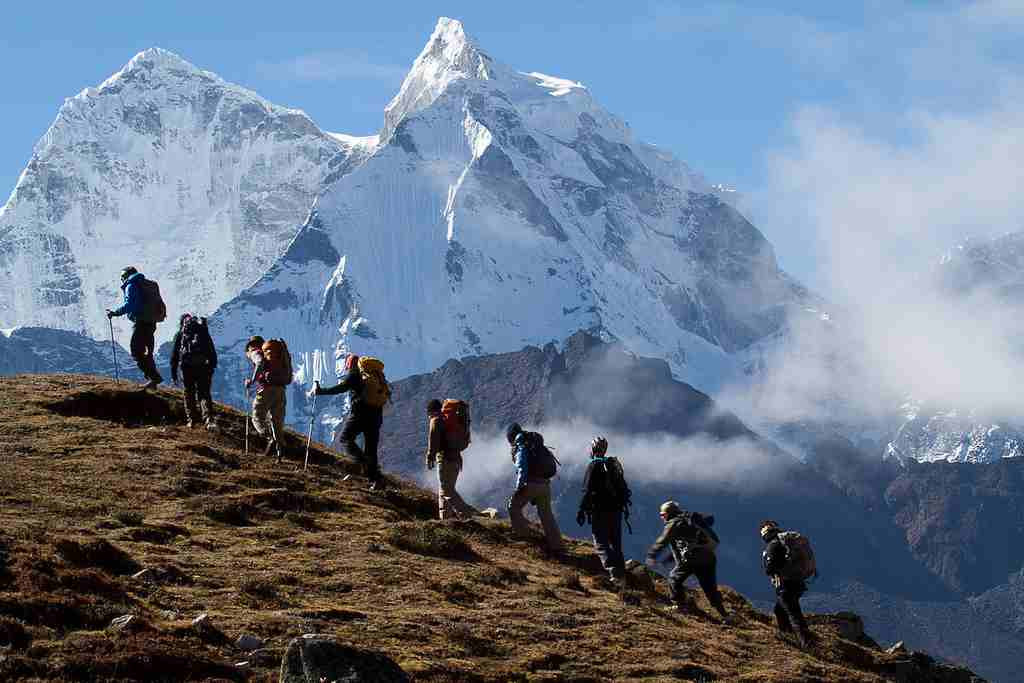
Nepal is often called the “trekker’s paradise,” and for good reason. Despite being a small country, it has incredible geographical diversity, ranging from lush subtropical forests to snow-covered peaks above 8,000 meters.
Key Reasons to Trek in Nepal:
-
Home to 8 of the world’s 14 highest mountains
-
Hundreds of well-established trekking routes
-
Affordable compared to other high-altitude destinations
-
Deep cultural and spiritual experiences
-
Friendly locals and strong trekking infrastructure
-
Teahouse trekking system (lodges and meals available on route)
Popular Trekking Regions in Nepal
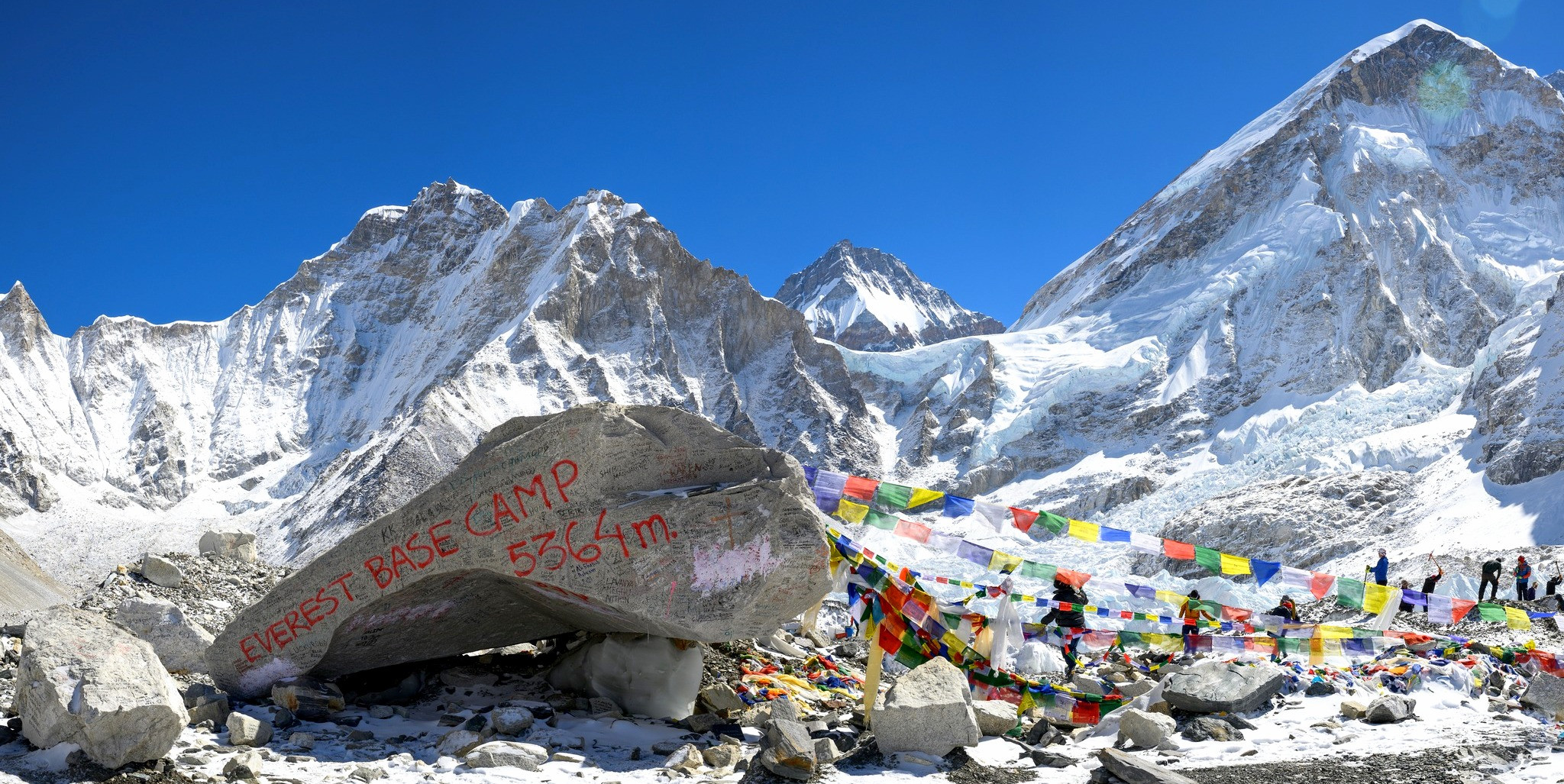
1. Everest Region (Khumbu)
The Everest region is the most iconic trekking area in Nepal.
Highlights:
-
Mount Everest (8,848.86 m)
-
Sherpa culture and monasteries
-
Sagarmatha National Park
-
Dramatic glaciers and valleys
Popular Treks:
-
Everest Base Camp Trek
-
Gokyo Lakes Trek
-
Three Passes Trek
Best For: Adventure seekers, photographers, and experienced trekkers
2. Annapurna Region
One of the most diverse and popular trekking regions.
Highlights:
-
Annapurna Massif
-
Rhododendron forests
-
Hot springs and mountain villages
-
Views of Annapurna, Dhaulagiri, and Machhapuchhre
Popular Treks:
-
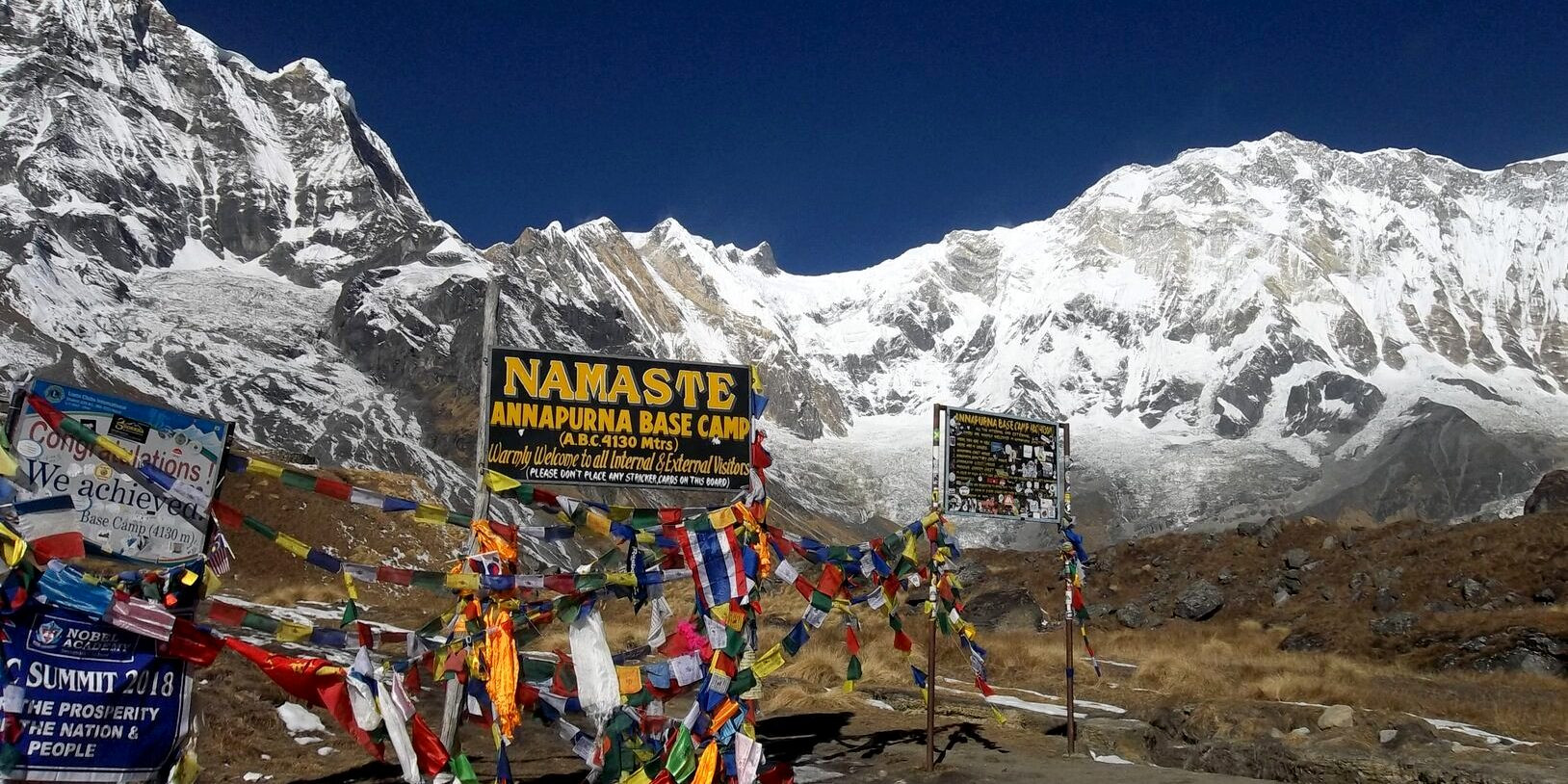
Annapurna Base Camp Trek
-
Annapurna Circuit Trek
-
Ghorepani Poon Hill Trek
Best For: All levels, from beginners to advanced trekkers
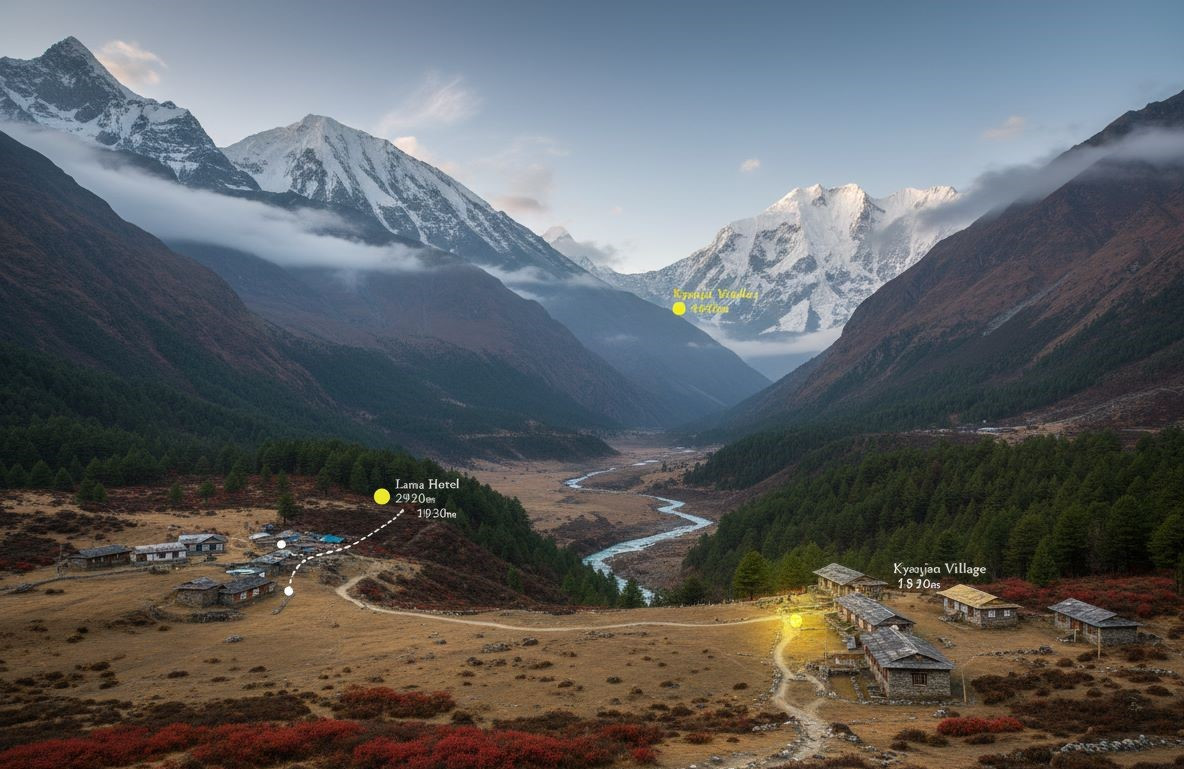
3. Langtang Region
Located close to Kathmandu, Langtang is less crowded yet equally beautiful.
Highlights:
Popular Treks:
-
Langtang Valley Trek
-
Gosainkunda Trek
Best For: Trekkers seeking tranquility and cultural immersion
4. Manaslu Region
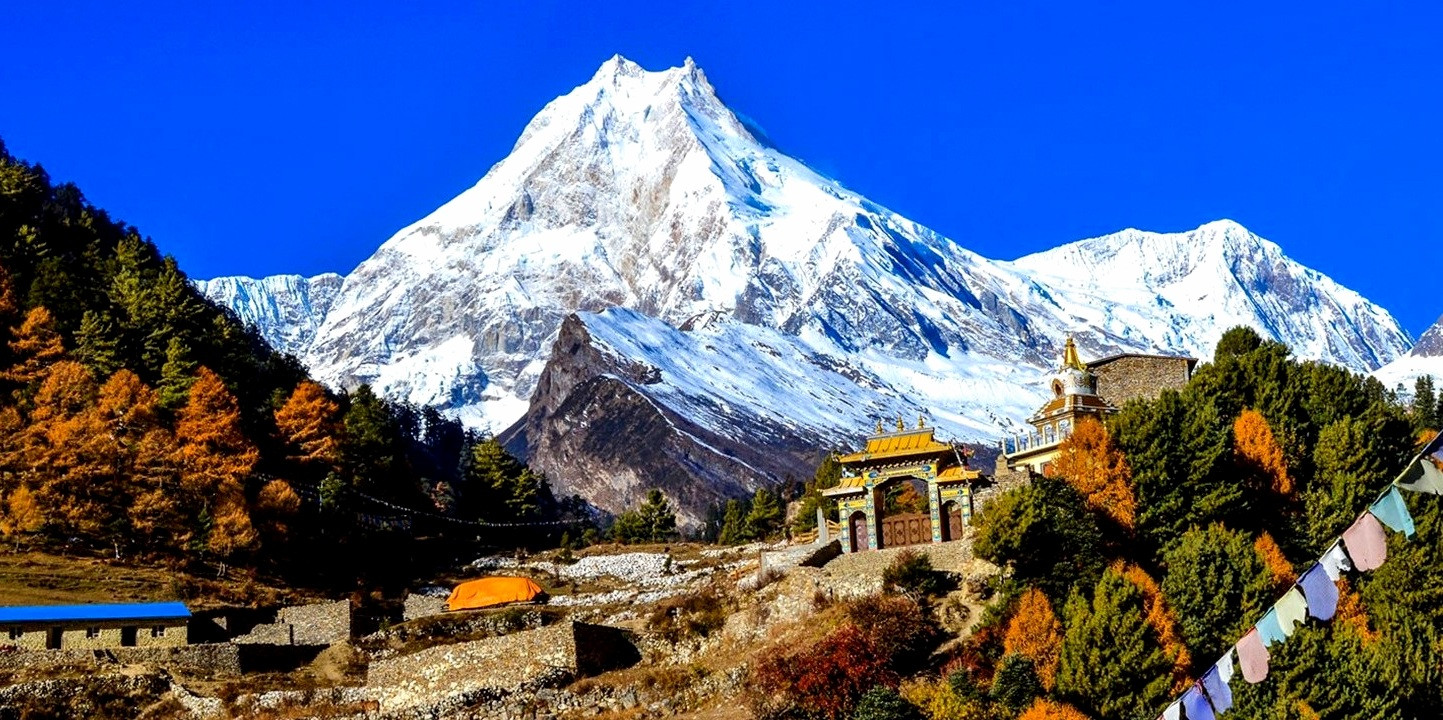
A remote and challenging trekking destination.
Highlights:
Popular Trek:
Best For: Experienced trekkers looking for off-the-beaten-path adventures
5. Upper Mustang and Dolpo
These are restricted areas with a strong Tibetan influence.
Highlights:
Best For: Cultural explorers and adventurous trekkers
Best Time for Trekking in Nepal
Autumn (September to November)
Spring (March to May)
Winter (December to February)
Monsoon (June to August)
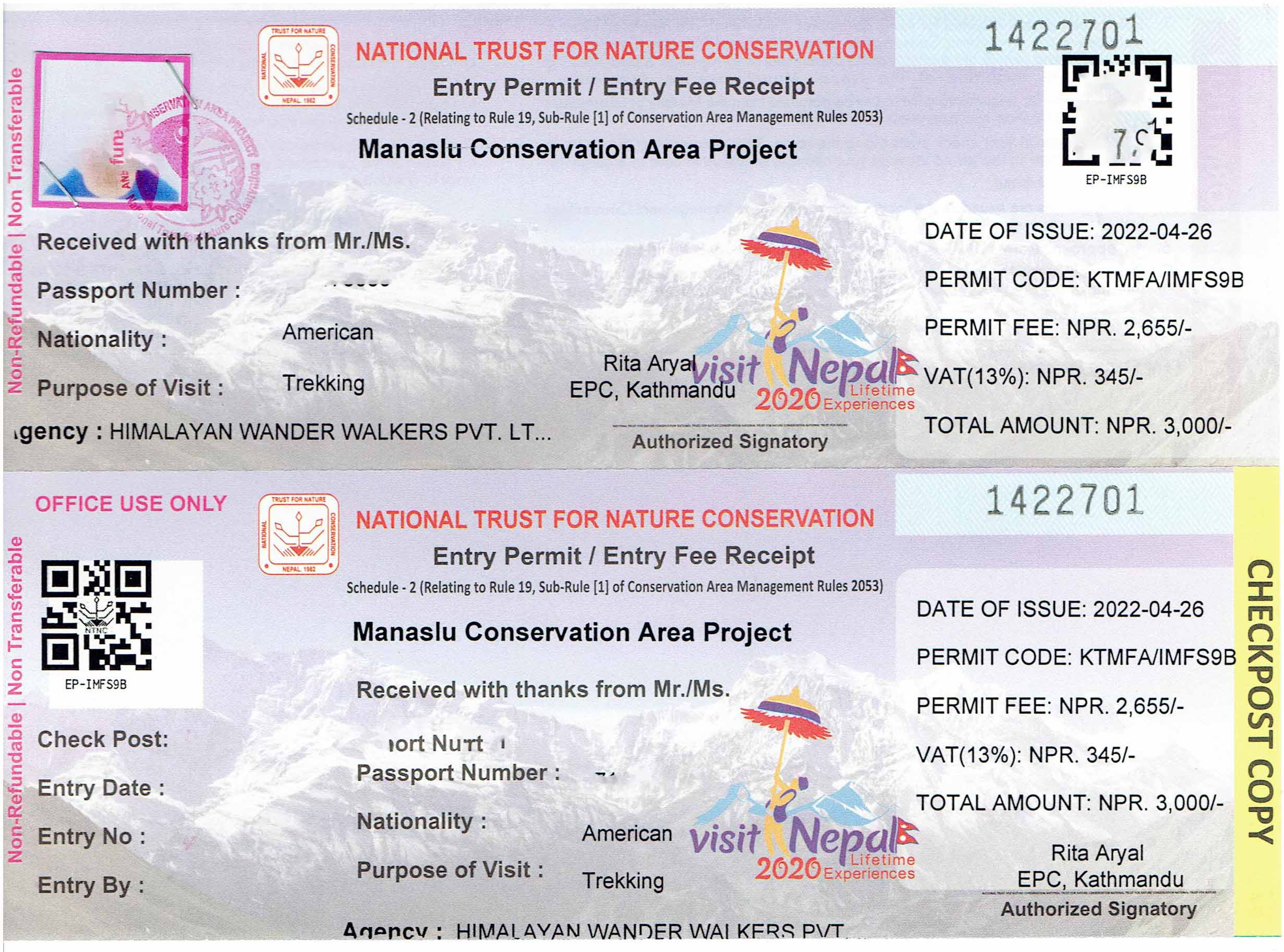
Trekking Permits in Nepal
Most treks require permits such as:
-
TIMS Card (Trekkers’ Information Management System)
-
National Park or Conservation Area Permits
-
Restricted Area Permits (for regions like Manaslu, Upper Mustang)
Permits can be arranged through trekking agencies or in Kathmandu and Pokhara.
Accommodation and Food During Treks
Teahouse Trekking
Nepal is famous for its teahouse trekking system.
Accommodation:
Food:
Physical Fitness and Preparation
Trekking in Nepal requires good physical fitness, especially at high altitudes.
Preparation Tips:
-
Cardio training (walking, hiking, cycling)
-
Strength training for legs
-
Practice hikes with a backpack
-
Learn about altitude sickness
Altitude Sickness and Safety
Altitude sickness (AMS) is a serious concern.
Prevention:
Common Symptoms:
-
Headache
-
Nausea
-
Dizziness
-
Fatigue
Always descend if symptoms worsen.
Guided vs Independent Trekking
Guided Trekking
Pros:
Cons:
Independent Trekking
Pros:
-
More freedom
-
Budget-friendly
Cons:
As of recent regulations, guides are mandatory in many regions, so always check current rules.
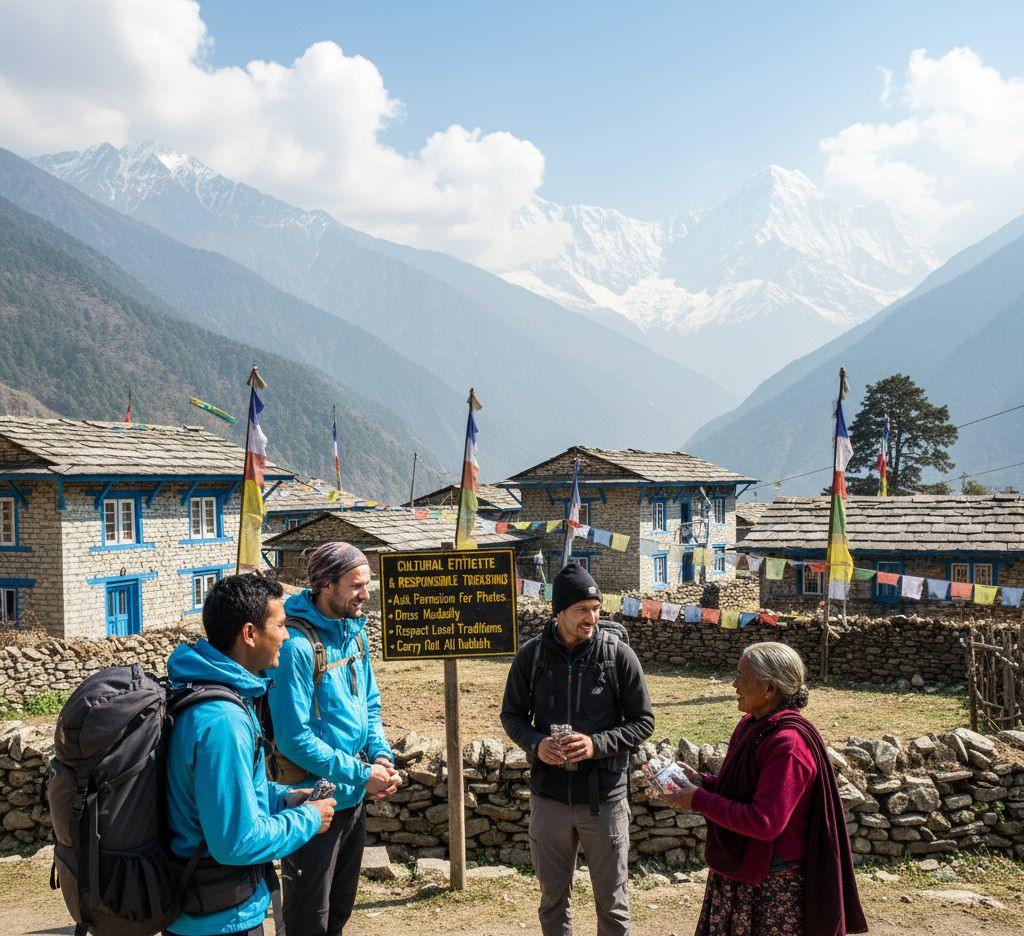
Cultural Etiquette and Responsible Trekking
Cost of Trekking in Nepal
Trekking costs vary depending on duration and region.
Estimated Daily Cost:
Why Trekking in Nepal Is a Life-Changing Experience
Trekking in Nepal is not just about mountains—it’s about personal growth, cultural connection, and spiritual discovery. Walking through remote villages, sharing meals with locals, and witnessing sunrise over Himalayan peaks creates memories that last a lifetime.
Final Thoughts
Nepal offers some of the most rewarding trekking experiences on Earth. Whether you seek adventure, serenity, or cultural richness, trekking in Nepal will leave you inspired and transformed. With proper planning, respect for nature, and an open heart, the trails of Nepal promise an unforgettable journey into the heart of the Himalayas.